
Purchase semaglutide online generic
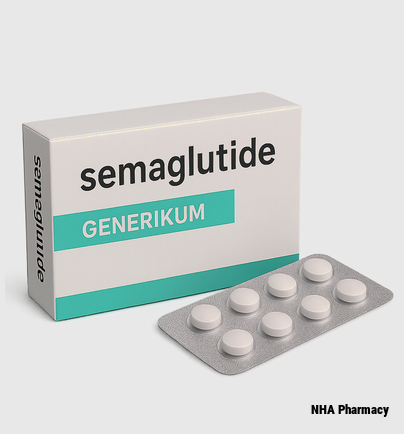
- Is semaglutide generic available without prescription in the UK?
- What is semaglutide and how does it work?
- Benefits of semaglutide in weight management and diabetes
- Dosage forms, strengths and pack sizes
- How to purchase semaglutide online safely
- Price and availability information
- Differences between brand-name and generic semaglutide
- Prescribing status and legal classification in the UK
- Comparison with other GLP-1 receptor agonists
- Side effects and safety considerations
- Contraindications, warnings and interactions
- Administration, injection technique and storage
- Lifestyle and dietary considerations with semaglutide
- Patient support and resources
- Additional information and FAQs
Is semaglutide generic available without prescription in the UK?
Semaglutide is a prescription-only medicine (POM) throughout the United Kingdom. At present, no formulation of semaglutide—brand or generic—can be legally supplied without a valid prescription from a qualified prescriber. Any online pharmacy or vendor claiming to provide semaglutide without prescription is acting outside UK regulations. Although generic semaglutide products may exist in markets outside the UK, UK residents must obtain a prescription, whether they choose to order from a UK-licensed pharmacy like NHA Pharmacy or through a validated private prescription service.
Under UK law, semaglutide is classified as a POM due to its potent glucose-lowering effects and the need for clinical monitoring. Healthcare professionals assess the suitability of semaglutide for individual patients based on medical history, co-morbidities, concurrent medications and treatment goals. If you have a private prescription, you can legally purchase generic semaglutide online through NHA Pharmacy’s secure prescription service, subject to professional review and dispensing checks.
What is semaglutide and how does it work?
The GLP-1 receptor agonist class
Semaglutide belongs to a class of medicines known as glucagon-like peptide-1 receptor agonists (GLP-1 RAs). GLP-1 is an incretin hormone secreted by the gut in response to nutrient intake. It binds to GLP-1 receptors on pancreatic beta cells, stimulating insulin secretion in a glucose-dependent manner. In parallel, GLP-1 receptor activation suppresses glucagon release from alpha cells, slows gastric emptying and promotes satiety via central nervous system pathways.
Mechanism of action
Semaglutide is a synthetic analogue of native human GLP-1 with structural modifications that confer resistance to dipeptidyl peptidase-4 (DPP-4) degradation and extend its half-life. Following subcutaneous injection, semaglutide circulates for approximately one week, exerting sustained receptor activation. The net clinical effects include improved glycaemic control, reduced appetite and downstream benefits on weight management and cardiovascular risk factors when used as part of an overall treatment plan.
Indications and licensed uses
In the UK, semaglutide is licensed for:
- Type 2 diabetes mellitus in adults as adjunctive therapy to diet and exercise;
- Chronic weight management in patients with obesity or overweight with at least one weight-related co-morbidity, under specialist supervision.
The specific prescribing recommendations, including dose titration and maximum maintenance dose, are detailed in the Summary of Product Characteristics for each authorised product.
Benefits of semaglutide in weight management and diabetes
Glycaemic control
Clinical trials have demonstrated that semaglutide can reduce HbA1c by up to 1.5–1.8% compared with placebo, depending on baseline glycaemic control and dosage. Its glucose-dependent mechanism minimises the risk of hypoglycaemia when used alone, although combination with sulfonylureas or insulin may require dose adjustments.
Weight reduction
By acting on brain satiety centres and delaying gastric emptying, semaglutide can induce clinically meaningful weight loss. Studies report average weight reductions of 5–10% of baseline body weight at maintenance doses when combined with lifestyle modification. Weight loss is associated with improvements in blood pressure, lipid profile and quality of life measures.
Cardiovascular outcomes
Some semaglutide trials have shown a reduction in major adverse cardiovascular events (MACE) in patients with type 2 diabetes at high cardiovascular risk. Although the cardiovascular benefit may vary by individual risk profile, the overall trend supports semaglutide as a cardioprotective agent beyond glycaemic control.
Dosage forms, strengths and pack sizes
Pre-filled pens
Semaglutide is typically supplied in single-patient-use, multi-dose pre-filled pens for subcutaneous injection. Common pen options include:
- 0.5 mg/mL pen, delivering doses from 0.25 mg up to 2.0 mg;
- 1.34 mg/mL pen, for higher maintenance regimens.
Strength titration schedule
Titration is essential to optimise tolerability and minimise gastrointestinal side effects. An example schedule for type 2 diabetes may be:
| Week | Daily dose | Comments |
|---|---|---|
| 1–4 | 0.25 mg | Initiation dose, not for glycaemic control |
| 5–8 | 0.5 mg | Maintenance start |
| 9–12 | 1.0 mg | Increased if needed |
| 13+ | Up to 2.0 mg | Max maintenance |
Pack size considerations
Pack sizes vary to support titration and maintenance. Initial packs often contain enough pens for 4–8 weeks. Maintenance packs are available in larger quantities. Always store unopened pens in the refrigerator (2–8°C) and discard any pen 56 days after first use, even if doses remain.
How to purchase semaglutide online safely
Prescription verification
Always verify that the online pharmacy is UK-licensed and requires a valid prescription. NHA Pharmacy dispenses semaglutide only on presentation of an authorised private prescription, with pharmacist review of indications, contraindications and patient safety checks.
Secure ordering process
1. Upload your prescription via our secure portal. 2. Complete the patient information questionnaire. 3. Pharmacist reviews and approves the order within 24 hours. 4. Pay online using secure payment methods. 5. Receive tracked delivery to your address in 2–4 working days.
Quality assurance
We source generic semaglutide from MHRA-approved manufacturers with rigorous quality control. All products are batch-tested and accompanied by full product information leaflets. Authenticity and storage conditions are maintained from dispatch to delivery.
Price and availability information
How much does generic semaglutide cost in the UK?
Prices vary by strength, pack size and supplier. NHA Pharmacy offers competitive pricing on generic semaglutide pens. Contact our pharmacy for current offers, bulk purchase discounts and loyalty pricing.
Why do prices vary?
- Manufacturer wholesale price;
- Pack size and strength;
- Importation and distribution costs;
- Volume discounts and promotional offers.
| Pack example | Strength | Quantity | Approximate price (GBP) | Note |
|---|---|---|---|---|
| Starter Pack | 0.25 mg/mL | 2 pens | £120–£150 | 4-week initiation |
| Intermediate Pack | 0.5 mg/mL | 2 pens | £140–£180 | First maintenance |
| Maintenance Pack | 1.0 mg/mL | 4 pens | £400–£500 | Up to 4 months |
Differences between brand-name and generic semaglutide
Active ingredient equivalence
Generic semaglutide contains the same active molecule with identical peptide sequence, formulation pH and excipients that ensure stability and delivery. Bioequivalence studies demonstrate similar pharmacokinetics and clinical effect compared with the originator product.
Regulatory approval
MHRA approval of generics requires rigorous testing for identity, purity, potency and manufacturing consistency. Approved generic pens carry the same storage and handling instructions as brand-name equivalents.
Cost advantages
Generic manufacturers leverage competition and economies of scale to lower prices. Savings are passed to patients without compromising clinical outcomes or safety standards.
Prescribing status and legal classification in the UK
Prescription Only Medicine (POM)
Semaglutide remains POM under UK law. Only registered pharmacies can dispense it once a valid prescription is presented. There is no non-prescription or pharmacy-only classification for semaglutide.
Regulation by MHRA
The Medicines and Healthcare products Regulatory Agency sets standards for prescribing indications, labelling, post-marketing surveillance and pharmacovigilance reporting. Any reclassification process would require extensive review of safety data.
International sourcing considerations
Patients sometimes consider overseas websites offering semaglutide without prescription. UK customs and MHRA legislation prohibit importation of unlicensed POM without prescription, exposing patients to legal and safety risks.
Comparison with other GLP-1 receptor agonists
| Feature | Semaglutide | Exenatide | Dulaglutide |
|---|---|---|---|
| Dosage frequency | Weekly | Twice daily or weekly | Weekly |
| Average weight loss | 5–10% | 3–5% | 4–7% |
| Glycaemic reduction (HbA1c) | 1.5–1.8% | 1.0–1.3% | 1.4–1.6% |
| CVD outcomes | Reduced MACE | Neutral | Neutral |
| Administration | Single-dose pen | Multi-dose pen or syringe | Single-dose pen |
Semaglutide’s extended half-life and robust outcome data differentiate it within the class. Choice of agent depends on individual patient factors, cost considerations and clinical goals.
Side effects and safety considerations
Common side effects
Gastrointestinal events are the most frequently reported adverse reactions:
- Nausea (up to 25%);
- Vomiting (10–15%);
- Diarrhoea or constipation (10–20%);
- Abdominal pain or dyspepsia.
Serious but rare reactions
Pancreatitis, acute gallbladder disease and severe hypersensitivity reactions have been reported infrequently. Any sudden onset of severe abdominal pain, persistent vomiting or signs of allergic reaction warrants immediate medical assessment.
Long-term safety
Long-term use monitoring focuses on thyroid C-cell changes observed in rodent studies, but clinical significance in humans is not established. Regular follow-up reviews and appropriate investigation protocols are recommended for prolonged therapy.
Contraindications, warnings and interactions
- Personal or family history of medullary thyroid carcinoma;
- Multiple endocrine neoplasia syndrome type 2 (MEN 2);
- Severe gastrointestinal disease, including gastroparesis;
- Pregnancy and breastfeeding unless benefits outweigh risks;
- Concurrent use of other GLP-1 RAs;
- History of hypersensitivity to peptide-based therapies.
Interactions: Semaglutide delays gastric emptying and can affect absorption of orally administered medications. Monitor anticoagulants, hormonal contraceptives and other critical-dose drugs. Adjust timing of concomitant medicines if necessary.
Administration, injection technique and storage
Injection sites
Semaglutide can be administered subcutaneously in the abdomen, thigh or upper arm. Rotate injection sites to reduce local skin reactions. Ensure proper pen priming according to manufacturer instructions.
Preparation and disposal
Allow refrigerated pens to reach room temperature before injection. Do not freeze. After first use, store pens at up to 30°C and discard after 56 days. Use sharps containers for safe needle disposal.
Patient training
Pharmacists at NHA Pharmacy provide demonstration and written instructions. Patients receive access to video tutorials and printed guides covering dose selection, injection angle, needle insertion depth and troubleshooting common errors.
Lifestyle and dietary considerations with semaglutide
Dietary adjustments
Small, frequent meals and gradual titration of macronutrients can mitigate gastrointestinal side effects. High-fiber foods, adequate hydration and avoiding fatty or spicy meals around injection times help improve tolerability.
Exercise and behaviour
Regular physical activity amplifies weight loss and glycaemic benefits. Behavioural counselling, goal setting and motivational interviewing support long-term adherence to lifestyle changes concurrent with semaglutide therapy.
Patient support and resources
NHA Pharmacy offers comprehensive patient support:
- 24/7 helpline for dosing and side effect queries;
- Monthly follow-up calls during titration;
- Access to dietitian and diabetes educator via teleconsultation;
- Patient information leaflets and video guides;
- Peer support forums and mobile app reminders.
Additional information and FAQs
Can I use semaglutide with insulin?
Yes, semaglutide can be added to insulin regimens, but insulin doses may need reduction to lower hypoglycaemia risk. Close monitoring is required during therapy adjustment.
Is dose escalation mandatory?
Titration is recommended to minimise side effects. Deviating from the schedule may increase gastrointestinal intolerance.
Where can I verify UK prescribing information?
Refer to the MHRA-approved Summary of Product Characteristics, the electronic Medicines Compendium (emc), and NICE guidelines for the latest evidence and prescribing recommendations.
Does this information replace professional advice?
No. For personalised guidance, consult your GP, endocrinologist or the pharmacy team at NHA Pharmacy (Unit 23, Newton House, Northampton Science Park, Kings Park Road, Moulton Park Industrial Estate, Northampton NN3 6LG).