
Purchase orlistat online without prescription
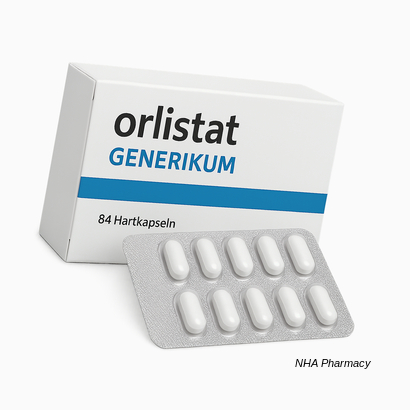
- Is orlistat available without prescription in the UK?
- What does Pharmacy medicine mean in the UK?
- General information about orlistat
- How orlistat works in the gastrointestinal tract
- Price and availability information
- Strengths, formulations and pack types
- Weight management, obesity and lifestyle
- UK legal classification: GSL, P and POM
- Alternatives for weight loss
- Orlistat compared with other weight-loss medicines
- Diet, food, alcohol and lifestyle considerations
- Side effects and tolerability
- Long-term use and nutritional considerations
- Warnings, contraindications and interactions
- Additional information about orlistat 60 mg
Is orlistat available without prescription in the UK?
Yes. The 60 mg strength of orlistat (marketed under the brand name Alli) is authorised in the United Kingdom as a Pharmacy (P) medicine for supply without a prescription. This OTC presentation is specifically intended for adults with a Body Mass Index (BMI) of 28 kg/m2 or above, in conjunction with a reduced-calorie, low-fat diet, to aid short-term weight loss and weight maintenance. The 120 mg strength remains a Prescription Only Medicine (POM) for clinical obesity management under specialist supervision.
Availability of orlistat without prescription does not imply that all orlistat products, strengths or pack sizes are non-prescription. You must check the exact authorised product you intend to buy. Generic 60 mg versions may be available online or in pharmacy outlets, but only specific licensed presentations share the same OTC status.
What does Pharmacy medicine mean in the UK?
The UK classifies human medicines into three principal legal categories: Prescription Only Medicine (POM), Pharmacy medicine (P) and General Sales List medicine (GSL). A Pharmacy medicine may be supplied without a prescription but only by or under the supervision of a registered pharmacist. These products, including orlistat 60 mg, are often labelled “Pharmacy medicine” or “P medicine” and are not available through general retail channels such as supermarkets or petrol stations.
This classification ensures that a pharmacist can provide the consumer with tailored advice on proper use, dietary considerations, potential side effects and interactions before supply. Even though orlistat 60 mg is OTC, a brief consultation helps safeguard safe, effective and appropriate self-care for weight management.
General information about orlistat
What is orlistat?
Orlistat is a lipase inhibitor used to assist adults in losing weight or preventing weight regain after weight loss. It works locally in the gastrointestinal tract by blocking the action of pancreatic and gastric lipases—enzymes responsible for breaking down dietary fats into absorbable fatty acids and glycerol.
What therapeutic category does orlistat belong to?
Orlistat is not an appetite suppressant, stimulant or hormone. Instead, it belongs to a class of medications known as gastrointestinal lipase inhibitors. By preventing up to 30% of ingested fat from being absorbed, orlistat reduces overall caloric intake, supporting weight reduction when combined with diet and exercise.
What is the active ingredient?
The active pharmaceutical ingredient in all orlistat products is orlistat. OTC products contain 60 mg of orlistat per capsule. Prescription variants contain 120 mg. Formulations differ only in inactive ingredients such as capsule shell materials, binders, fillers, and colorants.
Why is orlistat not classified as an appetite suppressant?
Appetite suppressants alter central nervous system pathways to reduce hunger. Orlistat acts peripherally in the gut, inhibiting digestive enzymes. Patients do not typically experience changes in appetite; instead, orlistat modifies fat absorption, requiring dietary adjustment alongside medication.
Is orlistat a stimulant?
No. Orlistat does not stimulate the central nervous system. It neither accelerates metabolism through sympathetic activation nor influences neurotransmitters involved in appetite regulation. Its effect is limited to lipase inhibition in the gastrointestinal lumen.
Is orlistat a hormone or vitamin?
No. Orlistat is a small-molecule inhibitor of digestive lipases. It does not contain hormones, vitamins, minerals or nutraceutical agents. However, because orlistat may impair absorption of fat-soluble vitamins (A, D, E, K), supplementation may be recommended at separate times of day.
Why is orlistat used for weight loss?
Reducing the absorption of dietary fat decreases the total caloric load, creating a caloric deficit when combined with a hypocaloric diet. This mechanism aids in body weight reduction and can support long-term weight maintenance when lifestyle modifications are sustained.
How orlistat works in the gastrointestinal tract
What are pancreatic and gastric lipases?
Pancreatic lipase and gastric lipase are enzymes secreted into the gastrointestinal lumen to break down triglycerides into free fatty acids and monoglycerides for absorption. They are essential for normal digestion and absorption of dietary fats.
How does orlistat inhibit lipase activity?
Orlistat binds covalently to the active serine residue of gastric and pancreatic lipases, rendering the enzymes inactive. This reduces the hydrolysis of dietary triglycerides, so undigested fats remain in the intestinal lumen and are excreted unabsorbed.
Does orlistat affect carbohydrate or protein absorption?
No. Orlistat specifically targets lipases involved in fat digestion. Carbohydrates and proteins are digested by amylases and proteases, respectively, and their absorption is unaffected. This selectivity helps preserve nutrient uptake for essential macronutrients other than fats.
What happens to unabsorbed fats?
Non-absorbed fats pass through the intestine and are eliminated in the stool. This can lead to characteristic gastrointestinal side effects (see Side effects and tolerability). Over time, decreased fat absorption lowers overall caloric intake, assisting with weight loss.
Why must orlistat be taken with meals?
Orlistat is most effective when taken at the start of, or up to one hour after, each main meal containing fat. If a meal is skipped or contains no fat, the capsule may be omitted. Timing ensures that the drug is present when lipases are secreted into the gut.
Does orlistat affect oral contraception?
Orlistat does not interfere with hormonal metabolism and has no known impact on the efficacy of contraceptive steroids. However, gastrointestinal side effects such as diarrhea could theoretically affect absorption; reliable contraceptive measures should be maintained.
Price and availability information
How much does OTC orlistat cost in the UK?
Prices for orlistat 60 mg vary by brand, pack size and retailer. Generic versions may be cheaper than the branded Alli product. This page provides indicative information. For current stock and exact pricing, please contact NHA Pharmacy in Northampton.
Why do prices vary between products?
Differences in cost can reflect manufacturer pricing strategies, pack presentations, marketing and distribution expenses. A lower price does not indicate inferior quality when products share the same authorised active ingredient and regulatory approval.
| Example | Strength | Formulation | Price | Status | Note |
|---|---|---|---|---|---|
| Alli | 60 mg | Gastro-resistant capsules | £42.99 (84 capsules) | Pharmacy (P) | Standard OTC brand |
| Generic Orlistat | 60 mg | Capsules | £28.50 (90 capsules) | Pharmacy (P) | May be cheaper per capsule |
Strengths, formulations and pack types
What strengths of orlistat exist?
In the UK, orlistat is available OTC as 60 mg capsules. Prescription supplies include a 120 mg capsule. Strength determines the lipase inhibition capacity and is linked to the intended duration and oversight required.
What formulations are available?
Orlistat is supplied as hard gastro-resistant capsules. They are formulated to release the active ingredient when they reach the duodenum, avoiding degradation in the acidic stomach environment.
Why does pack size matter?
OTC orlistat is authorised for 12 weeks of use, with pack sizes typically containing 42 or 84 capsules to match one to two months of treatment. Larger pack sizes require prescription status and medical monitoring.
| Feature | Why it matters |
| Active ingredient | Ensures consistent lipase inhibition |
| Strength | 60 mg for OTC, 120 mg for prescription use |
| Formulation | Gastro-resistant capsule for targeted release |
| Pack size | Specified by authorised medicine licence |
| Legal category | Determines supervision and pharmacy supply |
Are generic and branded orlistat identical?
Generic orlistat capsules contain the same active ingredient at 60 mg per unit when authorised as equivalent. Excipients, capsule appearances and pack presentations may differ, but regulatory standards ensure quality, safety and efficacy are comparable.
Weight management, obesity and lifestyle
What is obesity?
Obesity is a chronic condition characterized by excessive body fat accumulation. It is often assessed by Body Mass Index (BMI), with a BMI ≥30 kg/m2 indicating obesity and BMI ≥25 kg/m2 overweight.
How does modest weight loss benefit health?
Even a 5–10% reduction in body weight can improve blood pressure, cholesterol levels, glycemic control and reduce the risk of type 2 diabetes and cardiovascular disease. Orlistat supports this process by augmenting dietary efforts.
Is orlistat a standalone therapy?
No. Clinical trials and real-world experience demonstrate that orlistat must be combined with dietary changes (reduced-fat diet) and increased physical activity for optimal weight loss outcomes.
Why is lifestyle modification essential?
Orlistat’s efficacy relies on reduced fat ingestion. Without dietary fat control, excretion-related side effects increase and weight loss efficacy diminishes. Behavioural strategies, nutritional education and exercise regimens are cornerstones of comprehensive management.
Can orlistat help prevent weight regain?
Yes. Continued use of orlistat at maintenance doses, with ongoing dietary adherence, can help sustain weight loss over time. Discontinuation often leads to gradual weight regain if lifestyle changes are not maintained.
Who is suitable for OTC orlistat?
Adults with BMI ≥28 kg/m2 seeking to lose up to 5–10% body weight over 12 weeks, with no contraindications and willing to follow dietary guidance. Medical advice is recommended for individuals with BMI ≥30 kg/m2 or those with obesity-related comorbidities.
UK legal classification: GSL, P and POM
What is a POM?
A Prescription Only Medicine requires a valid prescription from an authorised prescriber. Orlistat 120 mg capsules are POM, intended for medical supervision in obesity management.
What is a Pharmacy medicine?
A Pharmacy medicine may be supplied without prescription but only under pharmacist oversight. Orlistat 60 mg capsules are classified as P medicine, reflecting the need for professional advice on diet and appropriate use.
What is a GSL medicine?
General Sales List medicines can be sold without pharmacist supervision in a variety of retail outlets. Orlistat is not GSL because its mode of action and potential side effects necessitate pharmacist guidance.
Is all orlistat OTC in the UK?
No. Only orlistat 60 mg qualifies as Pharmacy medicine. The 120 mg strength remains Prescription Only, requiring a doctor’s prescription.
Why can the same active ingredient have different classifications?
Classification depends on strength, pack size, intended indication, required duration of treatment, and the level of professional oversight deemed necessary for safe use.
Who regulates medicine classification in the UK?
The Medicines and Healthcare products Regulatory Agency (MHRA) is responsible for medicine licensing, legal supply categories and reclassification processes in the UK.
Alternatives for weight loss
What other categories of treatment exist?
- Prescription weight-loss drugs (e.g., orlistat 120 mg, liraglutide, naltrexone‐bupropion);
- Over-the-counter appetite suppressants (where available and legal);
- Herbal or nutraceutical supplements (efficacy often unproven);
- Behavioural and lifestyle programmes;
- Bariatric surgery for clinically severe obesity.
Why choose orlistat over other medicines?
Orlistat’s peripheral mechanism avoids central nervous system stimulation, making it suitable for patients sensitive to appetite suppressants. Its safety profile and local GI action have been extensively studied.
Orlistat compared with other weight-loss medicines
How does orlistat compare with liraglutide?
Liraglutide is a GLP-1 receptor agonist administered by injection, working centrally to increase satiety and slow gastric emptying. Orlistat acts peripherally by inhibiting fat absorption and is taken orally. Choice depends on clinical needs, side-effect profiles and patient preference.
How does orlistat compare with phentermine?
Phentermine is a centrally acting sympathomimetic that suppresses appetite. Its prescription is often limited to short durations due to cardiovascular side effects. Orlistat’s GI mechanism and non-systemic action offer a different safety profile.
| Feature | Orlistat 60 mg | Liraglutide | Phentermine |
| Drug class | Lipase inhibitor | GLP-1 agonist | Sympathomimetic |
| Main mechanism | Reduces fat absorption | Increases satiety | Suppresses appetite |
| OTC products in UK | Yes (60 mg) | No | No |
| Prescription uses | Yes (120 mg) | Yes | Yes |
Is one treatment always better?
No. Individual factors, comorbidities, contraindications, mode of administration, and response history guide selection. Pharmacist or medical advice is recommended to choose the optimal therapy for weight management.
Diet, food, alcohol and lifestyle considerations
Can diet influence orlistat effectiveness?
Yes. A low-fat diet (no more than 30% of total daily calories from fat) maximises weight-loss benefits and minimises gastrointestinal side effects. Regular meals containing modest fat content ensure orlistat can work effectively without causing severe GI reactions.
Can alcohol affect weight loss?
Alcohol adds non-nutritive calories and can interfere with metabolic processes. Moderate or abstinent alcohol intake is advisable for those using orlistat to optimise weight-loss outcomes and reduce GI side effects.
Does smoking matter?
Smoking is associated with increased GI motility and potential malabsorption. It also contributes to cardiovascular risk, which is elevated in obesity. Smoking cessation is recommended alongside any weight-loss intervention.
Should meal timing be adjusted?
Consistent meal timing with three main meals per day helps regulate fat intake and ensures orlistat dosing coincides with lipase secretion. Skipping meals high in fat may reduce efficacy and is not recommended.
Is exercise recommended?
Regular physical activity enhances energy expenditure and cardiac health, supporting sustainable weight loss. Combining orlistat with moderate exercise yields better long-term outcomes than medication alone.
Side effects and tolerability
Can orlistat cause side effects?
Yes. Gastrointestinal events are the most common side effects due to unabsorbed fats in the lumen. Others include nausea, headache and rare liver enzyme elevations. Not all users will experience side effects, and intensity often decreases as the body adjusts.
| Area | Examples described in product information |
| Gastrointestinal | Oily spotting, flatus with discharge, faecal urgency, fatty/oily stools, incomplete evacuation |
| Central | Headache, poor concentration |
| Liver | Rare cases of severe liver injury reported |
| Skin | Itchy rash (rare) |
| Long-term considerations | Potential fat-soluble vitamin deficiencies |
Why do GI side effects occur?
Undigested triglycerides remain in the intestine, drawing water and causing loose, oily stools. The severity depends on the amount of fat ingested; strict adherence to a low-fat diet reduces incidence and severity.
When should side effects prompt cessation?
Severe or persistent gastrointestinal symptoms that interfere with daily life may require dose adjustment or discontinuation. If signs of liver injury (e.g., jaundice, dark urine) occur, stop orlistat and seek medical advice immediately.
Long-term use and nutritional considerations
Why is OTC orlistat intended for short-term use?
The non-prescription 60 mg course is licensed for up to 12 weeks. Long-term treatment at higher strength or medical supervision requires prescription to monitor nutritional status and comorbidities.
Can long-term orlistat use affect vitamin absorption?
Yes. Orlistat may impair absorption of fat-soluble vitamins (A, D, E, K) and beta-carotene. Although most dietary studies show minimal clinical impact in the short term, supplementation may be recommended to maintain adequate levels.
Should vitamin supplements be taken?
Supplementation with a multivitamin containing fat-soluble vitamins is advisable, taken at least 2 hours before or after orlistat to ensure absorption. Prescription users (120 mg) often receive formal guidance on supplementation.
Does orlistat affect mineral absorption?
Orlistat may reduce calcium uptake marginally when taken concurrently with high-fat meals. Ensuring adequate dietary calcium and vitamin D supports bone health during weight loss.
Is periodic medical review important?
Yes. For prolonged use, regular monitoring of weight, nutritional parameters, liver function and general health ensures safe long-term therapy and helps identify any arising deficiencies or complications.
Warnings, contraindications and interactions
Who should be especially cautious with orlistat?
- Patients with malabsorption syndromes (e.g., cholestasis, chronic malabsorption);
- Patients with chronic malabsorption of fat-soluble vitamins;
- Individuals with gallbladder disease;
- Those with history of kidney stones associated with hyperoxaluria;
- Pregnant or breastfeeding women unless recommended by a healthcare professional;
- People taking cyclosporine or other medications affected by fat absorption;
- Those allergic to orlistat or any excipients.
Can orlistat interact with other medicines?
Yes. By reducing fat absorption, orlistat may affect the uptake of lipophilic drugs such as ciclosporin, amiodarone, levothyroxine and certain antiepileptics. Close monitoring or dose adjustment of concomitant medications may be necessary.
Why is levothyroxine specifically important?
Levothyroxine absorption may be impaired if taken with orlistat, potentially leading to reduced thyroid control. It is recommended to separate doses by at least 3 hours and monitor thyroid function tests when initiating orlistat therapy.
What about warfarin and vitamin K?
Altered absorption of vitamin K could affect the anticoagulant effect of warfarin. Patients on warfarin should have more frequent INR monitoring when starting orlistat and when adjusting dietary fat and vitamin intake.
Why are warning symptoms important?
Persistent gastrointestinal distress, signs of malnutrition or unexplained systemic symptoms should prompt clinical evaluation rather than simple dose changes. Early detection of complications ensures safe ongoing use or appropriate discontinuation.
Additional information about orlistat 60 mg
What does “generic orlistat” mean?
A generic medicine contains the same active ingredient, dosage strength and intended use as the reference branded product. It must meet regulatory standards for quality, safety and efficacy. Inactive ingredients, capsule color or pack style may differ.
Why can two 60 mg products have different leaflets?
Different manufacturers may obtain separate marketing authorisations, each with its own Summary of Product Characteristics and patient leaflet. Differences may reflect varying excipients, marketing claims and pack presentations.
What does gastro-resistant mean on the label?
Though orlistat capsules are not labelled as “gastro-resistant,” they are designed to disintegrate in the small intestine. The casing resists stomach acid long enough to release active ingredient at the site of lipase secretion.
Why should exact product information be checked?
Regulatory approval applies to specific authorised products. The product information and patient leaflet contain details on approved indications, safety warnings, excipient content and dosing instructions. Always follow the leaflet supplied with your medicine.
Where can UK medicine information be verified?
Reliable sources include the MHRA website, the electronic Medicines Compendium (emc.com), the British National Formulary (BNF) and qualified healthcare professionals. Official product information is accessible online or via pharmacy consultation.
Does this information replace advice from a pharmacist?
No. This page provides general information published by NHA Pharmacy (Unit 23, Newton House, Northampton Science Park, Kings Park Road, Moulton Park Industrial Estate, Northampton NN3 6LG). For personalised advice on orlistat use, dosing, dietary plans or interactions, please speak to our pharmacy team or consult your GP.