
Order diflucan generic online
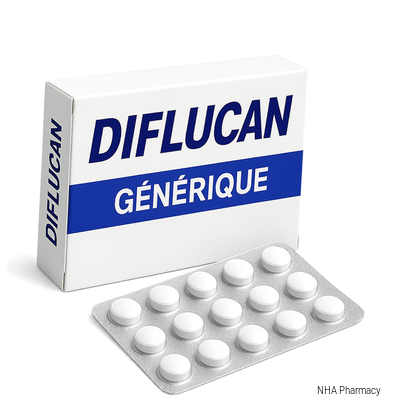
- Can Diflucan be purchased without prescription in the UK?
- What does Pharmacy medicine mean in the UK?
- General information about Diflucan (fluconazole)
- How Diflucan works
- Price and online availability
- Strengths, formulations and pack sizes
- Treating fungal infections with Diflucan
- UK legal classification: GSL, P and POM
- Alternatives to Diflucan for fungal infections
- Diflucan compared with other azole antifungals
- Food, alcohol and lifestyle considerations
- Side effects and tolerability
- Long-term use, resistance and monitoring
- Warnings, contraindications and interactions
- Additional information about generic Diflucan
Can Diflucan be purchased without prescription in the UK?
In the United Kingdom, Diflucan (fluconazole) is primarily licensed as a Prescription Only Medicine (POM) for systemic fungal infections and specialist uses. However, certain low-dose fluconazole formulations for recurrent vaginal thrush have been reclassified as Pharmacy (P) medicines, meaning you can buy a single 150 mg capsule without prescription directly from a registered pharmacy under pharmacist supervision. This limited non-prescription option is intended for short-term management of uncomplicated vaginal candidiasis. All other strengths, pack sizes or indications for Diflucan require a valid prescription from a healthcare professional.
What does Pharmacy medicine mean in the UK?
The UK categorises human medicines into three legal classifications: Prescription Only Medicine (POM), Pharmacy medicine (P) and General Sales List medicine (GSL). Pharmacy medicines (P) can be supplied without a prescription but only by or under the supervision of a pharmacist in a registered pharmacy. This ensures professional oversight, especially when treatment requires advice or potential referral for specialist care. Over-the-counter (OTC) purchase of pharmacy medicines like the 150 mg Diflucan capsule permits swift access, but it does not equate to unrestricted sale as seen with GSL products.
General information about Diflucan (fluconazole)
What is Diflucan?
Diflucan is the brand name for the antifungal medicine fluconazole. It belongs to the azole class of antifungal agents, which work by inhibiting fungal cell membrane synthesis. Diflucan is effective against a broad range of fungal pathogens, including Candida species, Cryptococcus, and some dermatophytes.
What is the active ingredient?
The active ingredient is fluconazole. Generic Diflucan contains the same fluconazole at an identical strength and must meet regulatory standards for quality, safety and efficacy. Inactive ingredients may differ between brands, affecting tablet colour, coating and excipient profile.
Is Diflucan an antibiotic?
No. Diflucan is not an antibiotic; it is an antifungal. It does not target bacteria but rather interferes with the fungal cell membrane enzyme lanosterol 14α-demethylase, preventing ergosterol synthesis and leading to fungal cell death.
Why is fluconazole used for fungal infections?
Fluconazole is used to treat and prevent a variety of fungal infections, including oral thrush, oesophageal candidiasis, vaginal thrush and systemic candidiasis. Its good oral bioavailability and tissue penetration make it suitable for systemic and mucosal infections.
Is Diflucan available in other forms?
Prescription Diflucan is available as tablets, oral suspension and intravenous formulations for hospital use. The OTC pharmacy form is limited to a single 150 mg capsule for treating vaginal thrush.
How Diflucan works
What is the mechanism of action?
Fluconazole selectively inhibits the fungal cytochrome P450 enzyme lanosterol 14α-demethylase. This enzyme is essential for converting lanosterol to ergosterol, which is a critical component of the fungal cell membrane. Inhibition leads to impaired cell membrane integrity and fungal cell lysis.
How quickly does Diflucan act?
For acute vaginal thrush, a single 150 mg dose often provides relief within 24–48 hours. Systemic fungal infections may require multiple doses over days or weeks under prescription supervision.
Does Diflucan prevent recurrence?
Single-dose therapy treats an acute episode but may not prevent future recurrences. Recurrent or complicated infections often require longer or maintenance therapy under medical guidance.
Is resistance a concern?
Repeated or prolonged fluconazole exposure can select for resistant Candida strains. Resistance risk is lower for short-term self-treatment of uncomplicated thrush but increases in immunocompromised patients and high-dose systemic therapy settings.
Can Diflucan treat men’s infections?
Medical guidelines may endorse prescription fluconazole for fungal balanitis, tinea infections or systemic infections in men. The pharmacy-only 150 mg capsule is specifically authorised for vaginal thrush in women aged 18 or older.
Price and online availability
How much does generic Diflucan cost?
Online retail prices vary by pharmacy, pack size and brand. Generic Diflucan capsules typically cost significantly less than branded Diflucan. You can buy or order cheap generic Diflucan online from NHA Pharmacy for prices starting at just a few pounds per 150 mg capsule. Bulk purchase or seasonal promotions can reduce the per unit price further, making the treatment cheaper.
Why do online prices differ?
Prices reflect factors such as wholesale costs, retailer markup, pack size discounts and promotional offers. A lower price does not indicate inferior quality when purchasing a regulated generic product from a licensed UK pharmacy.
| Product | Strength | Quantity | Price (GBP) | Online Status | Notes |
|---|---|---|---|---|---|
| Generic Diflucan | 150 mg | 1 capsule | £4.99 | In Stock | OTC pharmacy supply only |
| Branded Diflucan | 150 mg | 1 capsule | £8.50 | In Stock | Prescription licence required |
| Generic fluconazole | 50 mg | 30 tablets | £12.99 | Prescription Only | Prescription required |
Strengths, formulations and pack sizes
OTC pharmacy pack
The non-prescription Diflucan package authorised as a pharmacy (P) medicine contains a single 150 mg capsule, intended for one-off treatment of uncomplicated vaginal thrush.
Prescription strengths
Fluconazole prescription strengths include 50 mg, 100 mg and 200 mg tablets, oral suspension and intravenous formulations. Pack sizes vary from small blister packs to multi-dose bottles and IV bags.
Why does pack size matter?
Legal classification, intended duration of treatment and intended indication can differ by pack size. A single-capsule OTC pack is pharmacy-only, while larger prescription packs are POM.
Generic vs branded
Generic fluconazole is bioequivalent to branded Diflucan but may differ in appearance and excipients. Both are required to meet MHRA standards for safety and efficacy.
| Feature | 150 mg Capsule (P) | 50 mg Tablet (POM) |
| Availability | Pharmacy supply | Prescription only |
| Pack size | 1 capsule | 7, 14, 28 tablets |
| Intended use | Uncomplicated thrush | Various fungal infections |
| Price range | £4.99–£6.50 | £5–£40 |
Treating fungal infections with Diflucan
Vaginal thrush
One 150 mg capsule treats an episode of vaginal thrush in most women. Symptoms include itching, discharge and irritation. If symptoms persist or recur, seek medical advice.
Oral and oesophageal candidiasis
Prescription Diflucan oral suspension or tablets over 7–14 days are commonly used. Severe or refractory cases may require IV therapy under hospital care.
Systemic candidiasis
For bloodstream or internal organ infections, higher daily doses and extended treatment courses are prescribed under specialist supervision.
Prophylaxis
Fluconazole may be used to prevent fungal infections in immunocompromised patients. This indication is strictly prescription only.
Dermatophyte infections
Fungal skin, nail or scalp infections sometimes respond to prescription fluconazole, but topical or other systemic agents may be preferred.
UK legal classification: GSL, P and POM
Prescription Only Medicine (POM)
Most fluconazole strengths and formulations remain POM, requiring a doctor’s prescription.
Pharmacy medicine (P)
The single-capsule 150 mg pack for vaginal thrush is a Pharmacy medicine. Sale is restricted to a registered pharmacy under pharmacist supervision.
General Sales List (GSL)
No azole antifungal is classified GSL in the UK; all require at least pharmacy control.
Classification factors
Classification depends on dose, indication, treatment duration and safety profile. A low-dose, single-use pack is considered suitable for pharmacist-managed self-care.
Alternatives to Diflucan for fungal infections
Topical antifungals
- Clotrimazole cream or pessary for thrush;
- Miconazole or econazole creams for skin infections;
- Terbinafine for dermatophyte infections.
Other systemic azoles
- Ketoconazole (POM) for specific indications;
- Itraconazole (POM) for broad-spectrum use;
- Voriconazole and posaconazole (specialist use).
Non-azole agents
- Flucytosine (specialist use);
- Amphotericin B (IV only);
- Echinocandins (IV, hospital use).
Diflucan compared with other azole antifungals
Fluconazole vs ketoconazole
Fluconazole has better safety and fewer hepatic interactions than ketoconazole and is more selective, leading to a more favourable profile for systemic use.
Fluconazole vs itraconazole
Itraconazole has broader antifungal coverage for moulds but requires acidic gastric pH for absorption and has more complex drug interactions.
Fluconazole vs voriconazole
Voriconazole is reserved for invasive mould infections. Fluconazole is preferred for candidiasis and thrush due to lower toxicity and better bioavailability.
| Feature | Fluconazole | Itraconazole | Ketoconazole |
| Oral bioavailability | ~90% | Variable (acid-dependent) | Varies |
| Drug interactions | Moderate | High | High |
| Indications | Wide | Broader moulds | Limited |
| Safety profile | Good | Moderate | Poorer |
Is one azole always better?
No. Selection depends on infection type, severity, patient comorbidities, interactions and licensing. Fluconazole remains first-line for many Candida infections.
Food, alcohol and lifestyle considerations
Food and absorption
Fluconazole absorption is not significantly affected by food, so it can be taken with or without meals. This convenience supports adherence to single-dose therapy.
Alcohol consumption
Moderate alcohol does not usually interact with fluconazole, but excessive drinking can affect liver function. Caution is advised, especially with prescription doses or prolonged use.
Smoking
Smoking does not directly alter fluconazole levels, but it can affect overall health and immune response, potentially influencing infection risk and recovery.
Hygiene and lifestyle
For vaginal thrush, wearing breathable cotton underwear, avoiding irritant products and practising good genital hygiene can reduce recurrence risk alongside pharmacological treatment.
Side effects and tolerability
Common side effects
| System | Examples |
| Gastrointestinal | Nausea, abdominal pain, diarrhoea |
| Nervous system | Headache, dizziness |
| Skin | Rash, pruritus |
Uncommon and rare
Elevated liver enzymes, taste disturbances, hypersensitivity reactions and very rare serious hepatic events. Monitor symptoms and seek medical advice if severe.
Allergic reactions
Although rare, serious allergic reactions can occur. Discontinue use and seek urgent care if you experience facial swelling, difficulty breathing or widespread rash.
Tolerability differences
Single-dose 150 mg therapy generally has fewer side effects than prolonged high-dose courses. Prescription regimens may carry a higher risk of adverse events due to cumulative exposure.
Long-term use, resistance and monitoring
When is long-term therapy used?
Recurrent thrush or prophylaxis in immunocompromised patients may require maintenance dosing. This is prescription only and monitored by healthcare professionals for safety and efficacy.
Resistance development
Frequent or extended fluconazole exposure can select for resistant fungal strains, particularly in hospital or immunosuppressed settings. Laboratory testing may guide therapy adjustment.
Monitoring parameters
Long-term therapy may involve periodic liver function tests, assessment of symptom control and review of potential drug interactions.
Importance of medical review
Persistent or recurrent infections warrant professional evaluation to exclude alternative diagnoses or complications rather than repeated self-prescription.
Warnings, contraindications and interactions
Who should avoid Diflucan?
- Patients with known fluconazole hypersensitivity;
- Severe liver disease;
- Concurrent use of terfenadine, cisapride or QT-prolonging drugs;
- Pregnancy (risk vs benefit assessment required for prescription fluconazole);
- Breastfeeding (excreted in milk; professional advice recommended).
Drug interactions
Fluconazole is a moderate inhibitor of CYP2C9, CYP2C19 and CYP3A4. Interactions include warfarin, phenytoin, citalopram and certain statins. Review all medications with your pharmacist or GP.
Why is QT prolongation important?
Fluconazole can prolong the QT interval. Avoid in patients with congenital long QT syndrome or those taking other QT-prolonging agents unless benefits outweigh risks.
Adjustments in hepatic impairment
Fluconazole is eliminated primarily by the kidneys but hepatic dysfunction may require dose reduction, particularly for extended courses under prescription.
Additional information about generic Diflucan
What does “generic fluconazole” mean?
Generic fluconazole contains the same active molecule as branded Diflucan and must meet the same regulatory standards. It offers a cost-effective alternative for both prescription and OTC pharmacy products.
Why can two generic products differ?
Excipients, tablet appearance and packaging can vary between manufacturers. Always check the product leaflet for specific instructions, warnings and storage recommendations.
Storage and handling
Store capsules and tablets at room temperature away from moisture and direct sunlight. Keep out of reach of children.
Where to verify medicine information
Consult the MHRA, the electronic Medicines Compendium (eMC) and the patient information leaflet supplied with the product. For tailored advice, speak to the pharmacy team or your GP.
Does this replace professional advice?
No. This information is provided by NHA Pharmacy (Unit 23, Newton House, Northampton Science Park, Kings Park Road, Moulton Park Industrial Estate, Northampton NN3 6LG). For personalised guidance, consult your pharmacist or doctor.