
Buy clomid fast delivery generic
- Is Clomid available without prescription in the UK?
- Legal classification of fertility medicines in the UK
- General information about Clomid
- How Clomid works to induce ovulation
- Price and availability of generic Clomid
- Dosage strengths, formulations and pack types
- Clomid uses: fertility, ovulation induction and beyond
- Alternatives to Clomid for fertility treatment
- Clomid compared with other ovulation stimulants
- Lifestyle and diet considerations for fertility
- Side effects and tolerability of Clomid
- Long-term use, exposure and monitoring
- Warnings, contraindications and interactions
- Advice for purchase and safe online ordering
- Additional information about Clomid
Is Clomid available without prescription in the UK?
Clomid (clomiphene citrate) is officially classified as a Prescription Only Medicine (POM) in the United Kingdom when used for ovulation induction and fertility treatments. As such, UK regulations require a valid prescription from a qualified healthcare professional before legally supplying Clomid. However, there is growing demand for generic Clomid from consumers who wish to buy or purchase this medication online without prescription. Some international or unregulated online pharmacies advertise Clomid at a cheaper or even cheap price, claiming fast delivery to UK addresses. While these options exist, they often carry risks related to authenticity, safety, and legal compliance. This section explores how you might order Clomid in the UK, the legal framework surrounding its supply, and the potential consequences of receiving Clomid without prescription.
Legal classification of fertility medicines in the UK
The UK Medicines and Healthcare products Regulatory Agency (MHRA) enforces strict categories for drug supplies: Prescription Only Medicines (POM), Pharmacy Medicines (P), and General Sales List (GSL). Clomid is a POM due to its potent hormonal action, need for medical supervision, and monitoring of ovulation outcomes. Unlike some antacids or vitamins that fall under GSL or P categories, Clomid necessitates a personalised dosage regimen based on individual cycle monitoring. Attempting to purchase Clomid without prescription within the UK outside authorised channels may breach MHRA regulations and expose patients to unverified formulations. Yet, as demand rises for more accessible fertility treatments, many consumers search for cheaper alternatives, comparing UK retail price lists and bulk generic options available online.
General information about Clomid
What is Clomid?
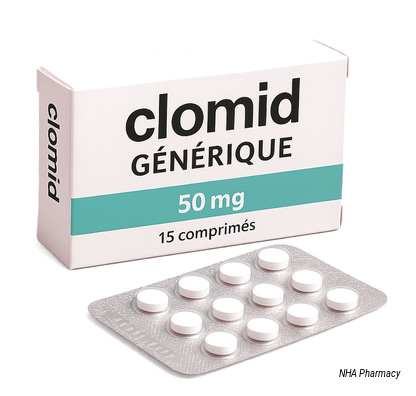
Clomid is the brand name for clomiphene citrate, a selective oestrogen receptor modulator (SERM) used primarily to induce ovulation in women experiencing anovulatory infertility. As a generic medication, clomiphene citrate provides the same active ingredient but is typically available at a lower price, offering a cheaper generic alternative to the branded Clomid product.
How is Clomid classified chemically?
Clomiphene citrate belongs to a class of compounds that block oestrogen receptors in the hypothalamus, tricking the body into increasing gonadotropin secretion. This mechanism triggers ovarian follicle development. Because Clomid alters hormonal pathways, it requires careful dosage and cycle monitoring by a qualified healthcare professional.
What are generic Clomid products?
Generic Clomid contains clomiphene citrate and must meet MHRA standards for bioequivalence and purity. While the active substance is identical to the branded version, inactive excipients, tablet coatings, and packaging can vary between manufacturers. Generic Clomid is often offered at a cheaper price and can be purchased or ordered in bulk from licensed suppliers.
Why do some consumers seek Clomid online?
Patients in the UK may face waits or limitations in NHS fertility services, prompting them to explore private or online channels for clomid purchase. Others compare costs and choose generic distributors offering fast courier delivery. Before placing an order, it is vital to verify the pharmacy’s credentials, inspect batch numbers, and confirm that the generic product meets regulatory requirements.
How Clomid works to induce ovulation
Mechanism of action
Clomiphene citrate selectively antagonises oestrogen receptors in the hypothalamus, reducing negative feedback and stimulating gonadotropin-releasing hormone (GnRH). Elevated GnRH levels prompt increased secretion of follicle-stimulating hormone (FSH) and luteinising hormone (LH) from the pituitary gland, leading to ovarian follicle development and eventual ovulation.
Onset and duration of effect
After oral ingestion, Clomid is absorbed and bound to plasma proteins. Its active metabolites exert effects over several days, meaning one treatment cycle of 5 days typically suffices to induce ovulation. The timing of administration (usually day 3–7 of the menstrual cycle) is critical to synchronise follicular development with optimal endometrial receptivity.
Why is monitoring important?
Because dose-response can vary, medical supervision with ultrasound or hormonal assays ensures that single or multiple follicles develop appropriately. Monitoring reduces risks of ovarian hyperstimulation syndrome (OHSS) and multiple pregnancy. Attempting to self-administer Clomid purchased online without prescription can bypass crucial safety checks.
Comparisons with natural cycle
In a natural menstrual cycle, endogenous oestrogen gradually rises, eventually triggering the LH surge. Clomid artificially induces this sequence by modifying receptor sensitivity, often leading to more predictable ovulation in anovulatory patients.
Price and availability of generic Clomid
Typical UK retail prices
In regulated UK pharmacies, a 5-tablet pack of branded Clomid 50 mg may cost between £20 and £35. Generic alternatives often list a pack of 10 × 50 mg tablets at around £15 to £25, representing a cheaper generic price. Bulk buy deals for patients wanting 50 or 100 tablets can reduce per-tablet cost further, with some suppliers advertising prices as low as £0.80 per tablet.
Why do prices vary?
Factors influencing price include manufacturer licensing fees, pack size, distributor margins, courier service, and whether the pharmacy is NHS-affiliated or private. Online pharmacies may offer discounts or coupon codes, enabling patients to buy or order Clomid at a cheaper rate compared with high-street counters.
Example pricing table
| Supplier | Pack size | Formulation | Approx. Price (GBP) | Notes |
|---|---|---|---|---|
| NHA Pharmacy (generic) | 10 × 50 mg tablets | Film-coated | £18.99 | Online order, fast delivery |
| Supplier B (generic) | 20 × 50 mg tablets | Film-coated | £29.50 | Discount on bulk purchase |
| Branded Clomid | 5 × 50 mg tablets | Tablets | £24.99 | Prescription required |
Ordering without prescription
Many online pharmacies claim to supply Clomid without prescription at cheap prices. While appealing for cost-conscious buyers, these offers may lack proper medical oversight. Check for verified pharmacy registration, MHRA numbering, and customer reviews to ensure safety and authenticity.
Dosage strengths, formulations and pack types
Standard strength
The most common strength of Clomid is 50 mg per tablet. Doses range from 25 mg to 100 mg daily depending on individual response and clinical guidance. Generic Clomid typically matches this standard strength.
Available pack sizes
Pack sizes for generic Clomid often start at 5 tablets, with larger packs of 10, 20 or 50 tablets available for extended treatment cycles. Purchasing larger packs can reduce the per-tablet price and offer a more cheaper long-term solution.
Formulations
Clomid is formulated as an immediate-release oral tablet. Film-coated versions may improve swallowability and protect the active ingredient. Some generic manufacturers offer uncoated tablets at lower cost, but both types must meet MHRA quality standards.
Why pack type matters
Legal compliance in the UK dictates pack size labeling, duration limit instructions, and the inclusion of a patient information leaflet. Non-prescription supply of Clomid (where available) must adhere to pack size guidelines to limit overdose risk and encourage proper consultation.
Clomid uses: fertility, ovulation induction and beyond
Primary use: anovulatory infertility
Clomid is most widely used to induce ovulation in women who do not ovulate regularly, such as those with polycystic ovary syndrome (PCOS). By restoring ovulation, Clomid increases the chance of conception.
Off-label uses
In some settings, Clomid may be prescribed off-label for male hypogonadism to improve testosterone levels, or in women with luteal phase defects. These uses should be guided by specialist assessment.
Combined protocols
Clomid may be combined with intrauterine insemination (IUI) or low-dose follicle-stimulating hormone regimens. Such protocols require close monitoring and are generally managed in fertility clinics rather than through online purchases.
Duration of treatment
Short-term use of Clomid (3–6 cycles) is common. Extended use beyond six cycles may reduce efficacy and increase risks; hence ongoing monitoring and dose adjustments are recommended under medical supervision.
Alternatives to Clomid for fertility treatment
- Letrozole (Femara) – an aromatase inhibitor used off-label for ovulation induction;
- Gonadotropin injections – FSH or human menopausal gonadotropin (hMG) for more controlled stimulation;
- In vitro fertilisation (IVF) protocols involving clomiphene or gonadotropins;
- Insulin-sensitising agents such as metformin in PCOS cases;
- Natural supplements – myo-inositol, folic acid, and other nutraceuticals (evidence variable).
Choosing the optimal treatment depends on the patient’s diagnosis, cycle characteristics, and previous responses. While Clomid is often the first-line oral agent, some patients may respond better to alternatives. Cost comparisons between letrozole and Clomid can influence purchase decisions when price or subsidy issues arise.
Clomid compared with other ovulation stimulants
| Feature | Clomid (Clomiphene) | Letrozole | Gonadotropins |
|---|---|---|---|
| Drug class | Selective oestrogen receptor modulator | Aromatase inhibitor | Gonadotropin hormones |
| Administration | Oral tablet | Oral tablet | Subcutaneous injection |
| Monitoring | Ultrasound, LH kits | Ultrasound, LH kits | Frequent ultrasound and blood tests |
| Multiple pregnancy risk | 5–10% | 3–8% | 10–20% |
| Typical cost per cycle | £15–£30 (generic) | £10–£25 (generic) | £150–£400 |
No single agent suits every patient. Clomid remains popular due to ease of oral dosing and established track record, while letrozole may offer lower multiple pregnancy risk. Gonadotropins provide more potent stimulation but at significantly higher price and monitoring burden.
Lifestyle and diet considerations for fertility
Nutrition and weight
Maintaining a healthy body mass index (BMI) can improve ovulatory response. Nutrients like folic acid, vitamin D, and omega-3 fatty acids may support fertility. While supplements do not replace Clomid’s pharmacological action, they can optimise overall reproductive health.
Alcohol and smoking
Excessive alcohol intake and smoking can impair ovarian function. Reducing or eliminating these factors may enhance Clomid effectiveness and improve uterine environment.
Exercise and stress
Moderate exercise supports overall wellbeing, but excessive high-intensity training can disrupt menstrual cycles. Stress management techniques, such as yoga or mindfulness, may help regulate hormones and improve outcomes.
Timing of intercourse
Coordinating sexual activity around the ovulation window maximises conception chances. Ovulation predictor kits, basal body temperature tracking, and ultrasound monitoring aid in timing.
Side effects and tolerability of Clomid
Common side effects
Hot flashes, mood swings, breast tenderness, pelvic discomfort, and visual disturbances are among the most frequently reported effects. These often subside after discontinuing the 5-day regimen each cycle.
Less common reactions
Headache, nausea, bloating, and rash can occur. Visual changes (spots, blurring) warrant immediate cessation and medical consultation. Most side effects are reversible upon stopping treatment.
Risk of multiple pregnancy
Clomid increases the chance of twins in approximately 5–10% of ovulating cycles. Patients seeking to purchase or order Clomid for multiple cycle use should be counselled on this risk.
Allergic reactions
Serious hypersensitivity to clomiphene citrate is rare but may present with rash, swelling or breathing difficulties. Seek urgent care in such cases.
Long-term use, exposure and monitoring
Recommended treatment duration
Most guidelines limit continuous Clomid use to six ovulatory cycles. Prolonged administration beyond this period may reduce efficacy and increase risks, such as ovarian cyst formation or endometrial thinning.
Ovarian hyperstimulation syndrome (OHSS)
Although less common than with injectable gonadotropins, Clomid can trigger OHSS in sensitive individuals. Monitoring of estradiol levels and follicle count helps mitigate this risk.
Cycle tracking
Accurate recording of menstrual cycles, side effects, and ovulation test results guides dose adjustments. Patients ordering Clomid online should maintain detailed logs to share with their healthcare provider.
Warnings, contraindications and interactions
- Pregnancy: Clomid is contraindicated during pregnancy; confirm non-pregnant status before initial dose.
- Liver disease: Use caution in hepatic impairment.
- Uncontrolled thyroid or adrenal dysfunction: Address endocrine disorders prior to Clomid use.
- Abnormal uterine bleeding: Investigate underlying cause before ovulation induction.
- Visual disturbances: Discontinue if significant vision changes occur.
- Drug interactions: Limited, but caution with anticoagulants and hormonal therapies.
Always review medical history and concomitant medications before starting Clomid. Purchasing without prescription bypasses these important safety checks.
Advice for purchase and safe online ordering
Verify pharmacy credentials
Choose online pharmacies registered with the General Pharmaceutical Council (GPhC) or display an MHRA logo. Check for a UK address, telephone contact, and clear return policy.
Check product details
Inspect batch numbers, expiry dates, and leaflet information. Ensure you receive genuine Clomid tablets (50 mg, clomiphene citrate) rather than look-alike or counterfeit products.
Delivery and storage
Order with tracked courier service for proof of delivery. Store Clomid in a cool, dry place away from direct sunlight. Keep tablets in original blister packs until use.
Payment and pricing
Compare price quotes, seek bulk discounts for larger packs, and ask about loyalty schemes. Beware of extremely cheap offers that may signal substandard quality or illegal supply.
Additional information about Clomid
What does “generic Clomid” mean?
Generic Clomid contains the same clomiphene citrate active ingredient as the branded product and must meet regulatory standards for quality, safety, and efficacy. Its tablet appearance and inactive ingredients may differ.
Why can leaflet details vary?
Different manufacturers may authorise slight variations in excipients, pack size, and indications. Always read the supplied patient information leaflet for the exact product you receive.
How to verify UK medicine information
Reliable sources include the MHRA, electronic Medicines Compendium (eMC), and NHS guidance. Consult qualified pharmacists for personalised advice rather than relying solely on online articles.
Does this page replace medical advice?
No. NHA Pharmacy (Unit 23, Newton House, Northampton Science Park, Kings Park Road, Moulton Park Industrial Estate, Northampton NN3 6LG) provides general information about Clomid purchasing and use. For guidance tailored to your situation, speak with healthcare professionals.