
Buy zithromax generic cheap
- Is Zithromax (azithromycin) available without prescription in the UK?
- What does Pharmacy medicine mean for antibiotics in the UK?
- General information about azithromycin
- How azithromycin fights bacterial infections
- Price and availability information for generic Zithromax
- Strengths, formulations and pack types
- Common indications and off-label uses
- UK legal classification: POM, P and GSL explained
- Alternatives to azithromycin for infections
- Azithromycin compared with other macrolide antibiotics
- Food, alcohol and lifestyle considerations
- Side effects and tolerability
- Long-term use and antibiotic stewardship
- Warnings, contraindications and interactions
- Additional information about generic Zithromax
Is Zithromax (azithromycin) available without prescription in the UK?
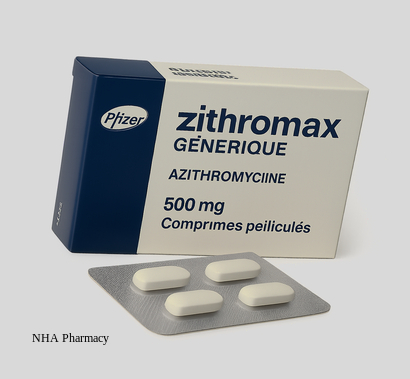
Azithromycin is a prescription-only antibiotic in the UK under normal circumstances. However, certain authorised generic presentations of azithromycin (marketed as Zithromax) may be available through a registered pharmacy like NHA Pharmacy under a remote supply model without a traditional paper prescription. This online ordering option allows adults to buy or order Zithromax generics without prescription, subject to a clinical screening questionnaire and pharmacist review. The process ensures safe and appropriate use while offering cheaper, generic alternatives delivered fast and discreetly.
What does Pharmacy medicine mean for antibiotics in the UK?
The UK classification system distinguishes between Prescription Only Medicines (POM), Pharmacy Medicines (P), and General Sales List (GSL) medicines. Most antibiotics, including azithromycin, are classified as POM due to the need for professional assessment, infection severity, antibiotic stewardship and monitoring for resistance. A Pharmacy medicine normally can be supplied without a formal prescription but must be dispensed under pharmacist supervision, following a clinical assessment. Any online purchase of Zithromax requires a qualified pharmacist to screen your condition and sign off on supply, ensuring legal compliance and patient safety.
General information about azithromycin
What is azithromycin?
Azithromycin is a macrolide antibiotic that works by inhibiting bacterial protein synthesis, effectively stopping the growth of susceptible bacteria. It is one of the most widely used antimicrobial agents worldwide, marketed under brand names such as Zithromax and as a generic antibiotic.
What group of antibiotics does it belong to?
Azithromycin belongs to the macrolide class of antibiotics, which includes erythromycin, clarithromycin and roxithromycin. These antibiotics share a similar mechanism of action but differ in spectrum, pharmacokinetics and tolerability.
What is the active ingredient?
The active pharmaceutical ingredient is azithromycin dihydrate (or azithromycin base in some formulations), measured in equivalent doses such as 250 mg or 500 mg per tablet or capsule.
Why are some tablets film-coated?
Film-coating protects the active ingredient from degradation and masks the taste. It also helps with swallowing and can control the release profile of the antibiotic for more consistent absorption.
Is Zithromax a broad-spectrum antibiotic?
Yes. Azithromycin is considered a broad-spectrum antibiotic, active against a wide variety of Gram-positive and Gram-negative bacteria as well as atypical pathogens like Mycoplasma and Chlamydia species.
Can azithromycin be used for viral infections?
No. Azithromycin has no direct effect on viruses. It is used to treat bacterial infections or specific circumstances where a viral infection has a risk of secondary bacterial complications. Antibiotic stewardship guidelines discourage unnecessary antibiotic use.
Why is azithromycin used for respiratory infections?
Azithromycin penetrates well into respiratory tissues and macrophages, allowing high intracellular concentrations. This property makes it effective for community-acquired pneumonia, bronchitis, sinusitis and other upper or lower respiratory tract infections.
How azithromycin fights bacterial infections
What is the mechanism of action?
Azithromycin binds reversibly to the bacterial 50S ribosomal subunit, blocking the translocation steps in protein synthesis. This inhibition prevents bacteria from producing essential proteins, leading to bacteriostatic or, at higher concentrations, bactericidal effects.
What is the typical pharmacokinetic profile?
Azithromycin has excellent oral bioavailability (around 37%), a large volume of distribution, and a prolonged half-life (approximately 68 hours). This allows for once-daily dosing and short-course regimens such as 3-day or 5-day therapies.
Does food affect absorption?
Azithromycin can be taken with or without food. Some formulations may have slightly reduced peak concentrations when taken with a high-fat meal, but overall efficacy is not significantly impacted.
How quickly does it work?
Clinical improvement in infections may be noted within 24 to 48 hours of starting therapy. The prolonged tissue concentrations maintain activity even after plasma levels decline.
Can azithromycin reach other tissues?
Yes. Azithromycin accumulates in tissues such as the lungs, skin, tonsils and even genital tract, making it suitable for a variety of infections beyond the respiratory system.
Why are extended-release or extended half-life regimens possible?
The unique pharmacokinetics allow for pulse dosing or extended regimens that reduce overall antibiotic exposure while maintaining efficacy, potentially lowering side effect risk and improving compliance.
Price and availability information for generic Zithromax
How much does generic Zithromax cost in the UK?
Price depends on strength, pack size, manufacturer and retailer. Generic azithromycin is significantly cheaper than branded Zithromax, often offering savings of 40–60%. For current prices and online ordering options, please contact NHA Pharmacy or view our offers online.
Why can prices vary between online pharmacies?
Variations come from purchase volume discounts, distribution costs, retailer margins and promotional pricing. Buying online often yields cheaper prices compared to street-level pharmacies due to reduced overheads.
| Example | Strength | Formulation | Price | Status | Note |
|---|---|---|---|---|---|
| Generic A | 250 mg | Tablets, 6-pack | £12.99 | In Stock | Order online, price valid until 2026-12-31 |
| Generic B | 500 mg | Tablets, 3-pack | £14.49 | In Stock | Cheap online price, subject to pharmacist approval |
| Branded Zithromax | 500 mg | Tablets, 6-pack | £45.00 | Prescription required | For comparison only |
Strengths, formulations and pack types
What strengths of azithromycin exist?
Common oral strengths are 250 mg and 500 mg tablets or capsules. Some manufacturers offer extended-release granules for suspension or larger pack sizes for repeat dosing. Intravenous formulations are available for hospital use.
What formulations are available online?
At NHA Pharmacy, you can order film-coated tablets of 250 mg or 500 mg, generic immediate-release capsules, or granule sachets to mix with water. All generic products meet UK regulatory standards for quality and efficacy.
Why does pack size matter?
Pack size correlates with intended indication, duration of therapy and legal classification. Shorter courses (e.g., 3- or 5-day packs) may fall under specific remote supply protocols, whereas larger packs often require a full prescription.
| Feature | Why it matters |
| Strength | Determines dose and suitability for indication |
| Formulation | Affects absorption, taste and convenience |
| Pack size | Relates to treatment duration and legal classification |
| Manufacturer | May influence cost, excipients and packaging |
| Legal category | Determines online ordering and pharmacist oversight |
Are generic and branded azithromycin identical?
Generic azithromycin contains the same active ingredient at equivalent strength and must demonstrate bioequivalence to branded Zithromax. Differences may lie in excipients, coating, appearance and pack design, but therapeutic effect is the same.
Common indications and off-label uses
What are standard indications?
Azithromycin treats infections such as community-acquired pneumonia, acute bacterial sinusitis, acute exacerbations of chronic bronchitis, skin and soft tissue infections, non-gonococcal urethritis and cervicitis, and certain atypical infections.
What off-label uses exist?
Sometimes used for prophylaxis in malaria, treatment of traveler’s diarrhea, or off-label dermatological applications under specialist advice. Such uses require clinical assessment by a pharmacist or doctor.
Why is off-label use risky?
Without proper evidence or guidelines, off-label use may carry unknown efficacy or safety risks. Always consult a professional before considering off-label antibiotic therapy.
Can azithromycin be used in paediatrics?
Yes, there are paediatric suspensions and weight-based dosing guidelines for children. Online orders for pediatric formulations require additional safety screening by the pharmacist.
UK legal classification: POM, P and GSL explained
What is a POM?
Prescription Only Medicines require a valid prescription from a qualified prescriber. Most antibiotics, including standard azithromycin packs, are POM due to the need for clinical oversight.
What is a Pharmacy medicine?
Only specific smaller packs or short-course ozithromycin products may be supplied under a Pharmacy medicine classification, after pharmacist assessment and following remote supply regulations.
What is a GSL medicine?
General Sales List medicines can be sold outside pharmacies without professional supervision. No antibiotics are classified as GSL in the UK to prevent misuse and resistance development.
Is generic Zithromax OTC in the UK?
No. Azithromycin remains strictly controlled. Online purchase models allow supply without a physical prescription but under pharmacist supervision, maintaining POM-level safety controls.
Who regulates classifications?
The Medicines and Healthcare products Regulatory Agency (MHRA) oversees reclassification, authorisation, pharmacovigilance and antibiotic stewardship in the UK.
Alternatives to azithromycin for infections
What alternative antibiotic classes exist?
- Penicillins (e.g., amoxicillin);
- Cephalosporins (e.g., cefalexin);
- Tetracyclines (e.g., doxycycline);
- Fluoroquinolones (e.g., ciprofloxacin) where appropriate;
- Other macrolides (e.g., clarithromycin).
Why choose an alternative?
Choice depends on infection type, bacterial resistance patterns, patient allergies, comorbidities and antibiotic stewardship considerations. A pharmacist or doctor can advise on the most suitable agent.
Can combination therapy be used?
Certain infections, such as H. pylori or complicated skin infections, may require combination therapy. Such regimens are prescription-only and guided by specialist protocols.
Azithromycin compared with other macrolide antibiotics
How does azithromycin compare with erythromycin?
Azithromycin has improved tissue penetration, a longer half-life, once-daily dosing, and fewer gastrointestinal side effects compared with erythromycin, making it more convenient and better tolerated for many patients.
How does azithromycin compare with clarithromycin?
Clarithromycin has a more complex drug interaction profile and requires twice-daily dosing. Azithromycin’s once-daily regimen and lower interaction potential make it preferred in many outpatient settings.
| Feature | Azithromycin | Erythromycin | Clarithromycin |
| Drug class | Macrolide | Macrolide | Macrolide |
| Dosing frequency | Once daily | Four times daily | Twice daily |
| Food effect | Minimal | Variable | Reduced absorption with food |
| OTC supply | Pharmacy supply model | Prescription only | Prescription only |
| GI side effects | Lower incidence | High incidence | Moderate incidence |
Is one macrolide always better?
No. Choice depends on infection site, bacterial sensitivity, patient tolerance, comorbid conditions and interaction profiles. Pharmacist or physician guidance ensures optimal selection.
Food, alcohol and lifestyle considerations
Can diet influence antibiotic absorption?
Most azithromycin formulations can be taken with or without food. High-fat meals may slightly delay absorption but do not significantly affect overall efficacy.
Can alcohol affect therapy?
Moderate alcohol consumption does not interfere directly with azithromycin, but excessive drinking can impair immune function and overall recovery. Avoid alcohol if it worsens underlying conditions.
Does smoking matter?
Smoking may impair respiratory function and delay healing of infections. Smoking cessation support may improve treatment outcomes in respiratory infections treated with antibiotics.
Should other lifestyle factors be considered?
Good hydration, rest and a balanced diet support immune response and antibiotic effectiveness. Avoid sharing antibiotics or stopping treatment early to reduce resistance risk.
Side effects and tolerability
Can azithromycin cause side effects?
Yes. Side effects vary by individual and formulation. Common adverse effects include gastrointestinal disturbances, headache and dizziness. Serious reactions are rare but require prompt medical attention.
| Area | Examples described in product information |
| Gastrointestinal | Diarrhoea, nausea, abdominal pain, vomiting |
| Nervous system | Headache, dizziness |
| Skin | Rash, itching, photosensitivity |
| Cardiac | QT prolongation (rare), palpitations |
| Allergic | Anaphylaxis, angioedema (rare) |
Why does azithromycin cause gastrointestinal upset?
Macrolides can stimulate motilin receptors, accelerating gastric emptying and altering gut motility, leading to cramps, diarrhoea or discomfort. Taking with food may reduce symptoms.
Are there serious but rare side effects?
Serious effects include liver enzyme elevations, cholestatic hepatitis, cardiac arrhythmias and severe allergic reactions. These require immediate medical intervention.
How common are antibiotic-associated diarrhoea?
Diarrhoea can occur in up to 10% of users. Most cases are mild, but Clostridioides difficile infection should be considered if diarrhoea persists or is severe.
Long-term use and antibiotic stewardship
Can azithromycin be used long-term?
Long-term or repeated courses of azithromycin are discouraged due to resistance development, microbiome disruption and cumulative side effect risk. Antibiotic stewardship guidelines recommend limiting use to indicated short courses.
Why is stewardship important?
Responsible prescribing and use reduce the development of antibiotic-resistant bacteria, preserve antibiotic effectiveness for future patients and limit ecological impact on the microbiome.
When is repeat therapy justified?
Repeat therapy may be justified in recurrent or complicated infections under close clinical supervision. Self-directed repeat purchase without professional input is strongly discouraged.
Why review antibiotic therapy?
A review assesses clinical response, monitors adverse effects and ensures the shortest effective duration is used. Pharmacist-led follow-up can optimize outcomes and minimize resistance risk.
Warnings, contraindications and interactions
Who should be cautious with azithromycin?
- People with known macrolide allergy;
- Those with severe liver impairment;
- Individuals with history of QT prolongation or cardiac arrhythmias;
- Patients on medications known to prolong QT interval;
- People with myasthenia gravis (may exacerbate muscle weakness);
- Pregnant or breastfeeding women (consult professional advice).
Can azithromycin interact with other medicines?
Yes. Significant interactions include drugs that affect QT interval (e.g., amiodarone, certain antipsychotics), warfarin (monitor INR), and mild interactions with antacids containing aluminum or magnesium that can reduce absorption if taken too close together.
Why avoid co-administration with antacids?
Antacids can chelate azithromycin, reducing its bioavailability. Administering antacids at least 2 hours before or after the antibiotic can mitigate this effect.
What about CYP interactions?
Azithromycin has minimal CYP450 interactions compared to other macrolides, making it safer in polypharmacy settings. Nonetheless, always check with a pharmacist if taking multiple medicines.
Are there warnings for pregnancy?
Azithromycin is generally regarded as safe in pregnancy when clinically indicated, but professional advice is recommended. Breastfeeding mothers should monitor infants for diarrhoea or fungal infections.
Additional information about generic Zithromax
What does “generic azithromycin” mean?
A generic medicine has the same active ingredient, dose, strength and route of administration as the branded product. It meets regulatory requirements for bioequivalence, quality and safety but may differ in excipients, packaging and appearance.
Why can two generic products have different leaflets?
Different manufacturers may have slight variations in excipients, stability data or additional indications. Each product’s leaflet reflects its specific approved information and must be followed accordingly.
What should I check on the label?
Verify the active ingredient name (azithromycin), strength (e.g., 250 mg or 500 mg), pack size, expiry date and manufacturer. Check legal classification and pharmacist supply notes if ordering online without prescription.
Where can UK medicine information be verified?
Reliable sources include the MHRA website, the electronic Medicines Compendium (eMC), official Summary of Product Characteristics and patient leaflets. Your pharmacist can also provide up-to-date guidance.
Does this information replace advice from a pharmacist?
No. This page is general information provided by NHA Pharmacy (Unit 23, Newton House, Northampton Science Park, Kings Park Road, Moulton Park Industrial Estate, Northampton NN3 6LG). For personalized advice, consult our online pharmacy team or your GP.