
Buy clomid without prescription generic
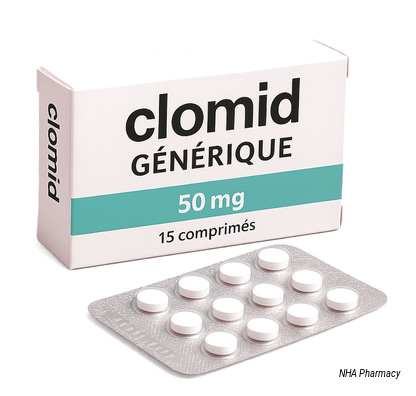
- Is clomid available without prescription in the UK?
- What does Prescription Only Medicine mean in the UK?
- General information about clomiphene (Clomid)
- How Clomid works for ovulation induction
- Price and availability information
- Strengths, formulations and pack types
- Indications: female infertility and off-label uses
- UK legal classification: POM, P and GSL
- Alternatives to Clomid for fertility
- Clomid compared with other fertility medicines
- Food, alcohol and lifestyle considerations
- Side effects and tolerability
- Long-term use and safety considerations
- Warnings, contraindications and interactions
- Additional information about generic Clomid
Is clomid available without prescription in the UK?
Clomid (clomiphene citrate) is a well-known fertility medication used to induce ovulation in women who have difficulty conceiving due to anovulation or irregular ovulation. In the UK, Clomid is classified as a Prescription Only Medicine (POM). This means that legally it cannot be sold or supplied without a valid prescription issued by a qualified healthcare professional, such as a GP or specialist. Despite this restriction, many online pharmacies, including NHA Pharmacy, offer the option to order Clomid generic without prescription through remote consultation or by relying on patient-supplied documentation from overseas. However, patients should be aware of the legal and safety implications before purchasing.
What does Prescription Only Medicine mean in the UK?
Prescription Only Medicine (POM) is the highest level of legal classification for medicines in the UK, regulated by the Medicines and Healthcare products Regulatory Agency (MHRA). POM medicines require a valid prescription to ensure appropriate clinical assessment, dosing, and monitoring. This classification safeguards patient safety by ensuring professional oversight, reduces the risk of misuse, and guarantees that contraindications, drug interactions, and long-term risks are properly managed. Clomid, as a POM, is subject to these controls when dispensed through licensed UK pharmacies. Purchases without genuine prescription may involve additional risks or circumvent regulatory safeguards.
General information about clomiphene (Clomid)
What is clomiphene citrate?
Clomiphene citrate is a selective estrogen receptor modulator (SERM). It acts by blocking estrogen receptors in the hypothalamus, which leads to an increase in gonadotropin-releasing hormone (GnRH) and subsequently stimulates pituitary release of follicle-stimulating hormone (FSH) and luteinizing hormone (LH). The surge in these hormones promotes the maturation of ovarian follicles and triggers ovulation in women.
Why is Clomid called a SERM?
SERMs are compounds that mimic or modulate the activity of estrogen in different tissues. Clomiphene’s anti-estrogenic action in the hypothalamus reduces negative feedback, while in other tissues its effects can vary. This targeted modulation distinguishes it from pure estrogen agonists or antagonists.
What is the active ingredient?
The pharmacologically active component is clomiphene citrate. Generic products authorised as clomiphene citrate contain the same active ingredient and must meet MHRA standards for quality, purity, and efficacy, though excipients and packaging may differ between brands.
How is clomiphene absorbed and released?
Clomiphene citrate is administered orally in tablet form. It is well absorbed from the gastrointestinal tract, undergoes hepatic metabolism, and produces active metabolites that contribute to its pharmacodynamic effects. The half-life is variable due to enterohepatic recirculation and can range from 5 to 7 days, supporting once-daily dosing schedules.
Is Clomid the same as tamoxifen?
No. While both are SERMs, tamoxifen is primarily used in breast cancer therapy. Clomiphene is specifically indicated for ovulation induction, and its pharmacokinetic and tissue target profiles differ from tamoxifen.
How Clomid works for ovulation induction
What triggers ovulation?
Under normal physiology, rising estrogen levels from developing follicles exert negative feedback on the hypothalamus and pituitary, modulating the release of GnRH, FSH, and LH. The mid-cycle LH surge is critical for follicular rupture and ovulation.
How does Clomid alter this process?
By competitively blocking estrogen receptors in the hypothalamus, Clomid reduces negative feedback, prompting the hypothalamus to increase GnRH secretion. This elevation stimulates the pituitary gland to secrete more FSH and LH, leading to follicular growth and eventual ovulation.
What is the typical dosing regimen?
Standard dosing is 50 mg daily for five consecutive days, usually starting on day 2, 3, 4, or 5 of the menstrual cycle. If ovulation does not occur, the dose may be increased to 100 mg daily in subsequent cycles, under medical supervision. Self-adjustment beyond these parameters is not recommended without professional guidance.
How soon does ovulation occur?
Ovulation typically occurs five to ten days after the final Clomid dose. Patients are often advised to monitor basal body temperature, cervical mucus changes, or use ovulation predictor kits to time intercourse or insemination accurately.
What are factors affecting response?
- Age and ovarian reserve;
- Body mass index (BMI);
- Underlying endocrine disorders such as PCOS;
- Duration of infertility;
- Concurrent medication;
- Lifestyle factors like smoking and alcohol consumption.
Price and availability information
How much does generic Clomid cost in the UK?
Prices vary by supplier, pack size, and whether an online pharmacy requires a prescription or self-declared assessment. Approximate price ranges for a standard 5-day cycle pack (10 tablets of 50 mg) can be between £30 and £60. Bulk packs or pack combinations offering up to three cycles may range from £80 to £150. Exact costs depend on promotional offers, generics discounts, and shipping fees.
Why can online prices be cheaper?
Generic manufacturers, streamlined distribution, and direct-to-consumer models allow some online pharmacies to offer lower prices. Packaging economies of scale, absence of retail mark-up, and variable pharmacy overheads contribute to cheaper online purchase options. However, extremely low prices may signal unregulated sources.
| Example | Strength | Pack Size | Price (GBP) | Status | Note |
|---|---|---|---|---|---|
| Generic Clomiphene | 50 mg | 10 tablets | £35.00 | In Stock | Order online without prescription* |
| Generic Clomiphene | 50 mg | 20 tablets | £65.00 | In Stock | Cheaper per tablet when bulk ordered |
*Remote consultation or submission of past prescription may be required.
Strengths, formulations and pack types
What strengths of clomiphene exist?
Clomiphene citrate is primarily available in 50 mg tablets. Historically, 25 mg strength was used, but 50 mg is the standard dosage unit for ovulation induction. Some suppliers may break 50 mg tablets into halves, although this is not recommended due to dosing accuracy concerns.
Are there different formulations?
All authorised clomiphene is an immediate-release oral tablet. There are no extended-release or liquid formulations approved in the UK. Packaging differs by manufacturer, including blister packs and plastic bottles.
Why does pack size matter?
Pack size determines the number of treatment cycles a patient can complete without reordering. A single cycle pack contains ten tablets (five-day regimen), while multi-cycle packs contain up to 30 tablets (three cycles). Bulk purchases can reduce per-cycle costs.
| Feature | Why it matters |
| Strength | Determines mg per tablet and number of tablets needed per cycle |
| Pack size | Affects overall cost and convenience for multiple cycles |
| Formulation | Immediate release vs. experimental formulations |
| Brand vs. generic | Impacts price and availability but not active ingredient |
Are generic and branded Clomid identical?
Generic clomiphene citrate medicines contain the same active substance at the same dosage. They must demonstrate bioequivalence to the originator brand. Differences typically involve excipients, tablet color, and packaging. Clinical effectiveness and safety are equivalent when authorised by regulatory authorities.
Indications: female infertility and off-label uses
What is the licensed indication?
Clomid is licensed for the induction of ovulation in anovulatory women desiring pregnancy, particularly those with polycystic ovary syndrome (PCOS). Treatment should be initiated under the supervision of a healthcare provider experienced in infertility management.
What are common off-label uses?
Although not licensed, some clinicians prescribe clomiphene citrate for:
- Male hypogonadism to increase endogenous testosterone production;
- Idiopathic oligospermia to enhance sperm parameters;
- Secondary prevention of ovarian hyperstimulation syndrome in assisted reproduction protocols;
- Luteal phase support in certain fertility regimens.
Off-label use requires careful monitoring and specialised guidance.
When should Clomid not be used?
Contraindications include:
- Primary ovarian failure indicated by elevated gonadotropins;
- Uncontrolled thyroid or adrenal dysfunction;
- Ovarian cysts unrelated to polycystic ovary syndrome;
- Pregnancy or known hypersensitivity to clomiphene;
- Hepatic impairment or history of thrombophilia without prophylaxis.
UK legal classification: POM, P and GSL
What is a POM?
A Prescription Only Medicine (POM) requires a valid prescription. Clomiphene citrate is POM due to its hormonal effects, potential adverse events, and need for monitoring ovulation and ovarian response.
What is a Pharmacy (P) medicine?
Pharmacy medicines can be sold without prescription but only under pharmacy supervision. Clomid does not fall into this category.
What is a GSL medicine?
General Sales List (GSL) medicines can be sold in non-pharmacy retail outlets. Clomid is not GSL.
Why can the same active ingredient have different categories?
Classification depends on indication, dose, risk profile, duration of therapy, and requirement for professional oversight. Hormonal agents like clomiphene require POM classification.
Alternatives to Clomid for fertility
What other oral ovulation agents exist?
- Letrozole (an aromatase inhibitor);
- Anastrozole (off-label);
- Metformin combined with ovulation induction for PCOS;
- Gonadotropins injected subcutaneously or intramuscularly;
- In vitro fertilisation and intrauterine insemination protocols.
Why choose letrozole?
Letrozole may offer higher live birth rates and lower multiple pregnancy risk in PCOS due to thinner endometrial lining and more physiological estrogen levels.
When are injectable gonadotropins used?
In cases where oral agents fail, gonadotropins like FSH injections are used with close monitoring via ultrasound and estradiol measurements to minimise ovarian hyperstimulation syndrome risk.
Clomid compared with other fertility medicines
Clomid vs. letrozole
Both induce ovulation, but letrozole suppresses estrogen synthesis rather than blocking receptors. Studies suggest letrozole may yield similar or improved success rates with fewer adverse events in PCOS patients.
Clomid vs. metformin combination
Metformin can improve insulin sensitivity in PCOS, potentially enhancing ovulation rates when combined with clomiphene citrate. This combination may be considered after monotherapy failure.
| Feature | Clomiphene | Letrozole | Gonadotropins |
| Class | SERM | Aromatase inhibitor | FSH/LH injections |
| Route | Oral | Oral | Injectable |
| Monitoring | Optional US/BBT | Optional US | Mandatory US/estradiol |
| Ovulation rate | 70–80% | 80–90% | 90–100% |
| Multiple pregnancy | 5–8% | 3–5% | 15–25% |
Is one always better?
Treatment should be individualised based on patient profile, underlying diagnosis, prior response, cost, and safety considerations.
Food, alcohol and lifestyle considerations
Does diet affect fertility?
A balanced diet rich in antioxidants, vitamins, and minerals supports reproductive health. Folate, vitamin D, and omega-3 fatty acids are important for ovulation and early pregnancy support.
Can alcohol consumption interfere?
Excessive alcohol can disrupt hormonal balance and reduce fertility in both sexes. Light to moderate intake should be discussed with a healthcare provider.
Does caffeine matter?
High caffeine intake (>300 mg/day) may slightly reduce conception rates. Moderation is advised.
Why is body weight important?
BMI outside the healthy range can impair ovulation. Weight loss in overweight individuals and weight gain in underweight individuals may improve ovulation and pregnancy rates.
Does smoking affect success?
Smoking harms ovarian reserve and response. Cessation improves fertility outcomes.
Side effects and tolerability
Common side effects
Hot flashes, breast discomfort, mood swings, headaches, and visual disturbances occur in up to 10–15% of users. Side effects are generally mild and reversible upon discontinuation.
Serious adverse events
Ovarian hyperstimulation syndrome (OHSS) can present with abdominal pain, bloating, and weight gain. Although less common with Clomid than injectable gonadotropins, severe OHSS requires urgent medical attention.
Multiple pregnancy risk
Clomid increases the chance of twins (~5–8%) and rarely higher-order multiples. Couples should be counselled on this risk prior to starting therapy.
Visual disturbances
Transient blurred vision or spots can occur. If symptoms persist, therapy should be discontinued and ophthalmologic evaluation sought.
Long-term use and safety considerations
Is long-term Clomid use safe?
Long-term use beyond six cycles is generally not recommended due to diminishing efficacy and potential risks. Most guidelines advise limiting therapy to three to six ovulatory cycles with supervision.
Can clomiphene increase cancer risk?
Early studies raised concerns about endometrial changes. Long-term surveillance shows no definitive increase in ovarian or endometrial cancer when used appropriately and monitored.
Why is cycle monitoring important?
Monitoring follicle development via ultrasound and estradiol levels in prolonged or high-dose regimens reduces the risk of OHSS and detects non-responders promptly.
Warnings, contraindications and interactions
Who should be cautious?
- Individuals with liver disease;
- History of stroke or thromboembolism;
- Undiagnosed vaginal bleeding;
- Adrenal or pituitary insufficiency;
- Ovarian cysts not due to PCOS;
- Visual field disturbances.
Can Clomid interact with other medicines?
Drug interactions are uncommon but may occur with medications affecting estrogen metabolism or hepatic enzymes, such as certain antiepileptics or herbal supplements.
Why monitor thyroid and prolactin?
Thyroid dysfunction and hyperprolactinemia can impair ovulation. Assessment and correction may be required before initiating clomiphene citrate.
Pregnancy and breastfeeding
Clomid is contraindicated in pregnancy. If pregnancy occurs, treatment is stopped immediately. Safety during breastfeeding has not been established; discuss with a healthcare professional.
Additional information about generic Clomid
What does “generic Clomid” mean?
Generic Clomid is a non-branded version of clomiphene citrate that meets regulatory standards for efficacy, safety, and quality. It provides a cost-effective alternative to brand-name products without compromising clinical outcomes.
Why do generic products have different leaflets?
Leaflets reflect product-specific information, including manufacturer details, excipients, and presentation. Indications and dosing are consistent across generics but may appear in different formats.
Where can I verify UK medicine information?
MHRA, electronic Medicines Compendium (eMC), and patient information leaflets are authoritative sources. NHA Pharmacy’s team is available for queries regarding authenticity, legal status, and safe use.
Does this replace pharmacist advice?
No. This page provides general information. For personalised medical advice, consult your GP or pharmacist at NHA Pharmacy (Unit 23, Newton House, Northampton Science Park, Kings Park Road, Moulton Park Industrial Estate, Northampton NN3 6LG).