
Purchase orlistat generic fast delivery
- Is orlistat available without prescription in the UK?
- What does Pharmacy medicine mean in the UK?
- General information about orlistat
- How orlistat works
- Price and availability information
- Strengths, formulations and pack types
- Weight loss, obesity and lifestyle
- UK legal classification: GSL, P and POM
- Alternatives for weight loss
- Orlistat compared with other weight loss medicines
- Food, alcohol and lifestyle considerations
- Side effects and tolerability
- Long-term use and excessive exposure
- Warnings, contraindications and interactions
- Additional information about orlistat
Is orlistat available without prescription in the UK?
Yes. In the United Kingdom, a 60 mg dose of orlistat (commonly branded as Alli®) is authorised as a Pharmacy (P) medicine for weight management in adults. This non-prescription status means that you can purchase orlistat without a prescription, subject to a pharmacist’s consultation. Although the 60 mg presentation can be supplied without a GP prescription, a 120 mg strength (Xenical®) remains a Prescription Only Medicine (POM) and requires a formal prescription from a qualified healthcare provider. Supply of orlistat is contingent on meeting legal criteria including body mass index (BMI), age, and absence of contraindications.
Pharmacists at NHA Pharmacy in Northampton will assess suitability, provide dosing advice and counsel on lifestyle adjustments. They check for potential drug interactions, dietary considerations and ensure that self-care is appropriate. Patients seeking a more potent orlistat regimen must consult their GP for a POM prescription. This two-tier availability allows safe access to orlistat for eligible users, supports responsible weight management and helps prevent unsupervised long-term use of higher-strength preparations.
What does Pharmacy medicine mean in the UK?
In the UK, medicines are classified into three categories: Prescription Only Medicine (POM), Pharmacy Medicine (P) and General Sales List (GSL). A Pharmacy medicine can be sold without a doctor’s prescription but only under the supervision of a pharmacist. It is not available through general retail outlets; it must be dispensed from a registered pharmacy after a professional consultation. This ensures that appropriate screening, counselling and advice accompany the sale, enhancing patient safety and therapeutic effectiveness.
The Pharmacy medicine classification recognises that some treatments, like orlistat 60 mg, require professional oversight due to potential adverse effects, drug interactions or special instructions. Pharmacists play a critical role in verifying eligibility—such as confirming BMI criteria (≥25 kg/m² or overweight adults) and assessing contraindications. Unlike GSL products, which can be sold anywhere without supervision, Pharmacy medicines remain under the pharmacist’s legal and professional responsibility. This framework balances accessibility with safety for medicines that are safe for self-care when used correctly.
General information about orlistat
What is orlistat?
Orlistat is a lipase inhibitor used for weight loss and to prevent weight gain in overweight or obese adults. It acts in the gastrointestinal tract to reduce the absorption of dietary fats by approximately 30%. By inhibiting gastric and pancreatic lipases, orlistat prevents the breakdown of triglycerides into absorbable free fatty acids, causing undigested fat to be excreted. This mechanism supports a caloric deficit when combined with a reduced-calorie diet, contributing to gradual and sustained weight loss.
What forms of orlistat exist?
Orlistat is available as a 60 mg over-the-counter capsule (Alli®) and a 120 mg prescription capsule (Xenical®). The 60 mg form is intended for short-term, supervised self-care, typically up to six months, while the 120 mg strength may be used for longer-term management under medical supervision. Both formulations come in capsules with identical active ingredients but differ in dosage strength, regulatory status, pack size and patient information leaflets.
Why is orlistat not classified as an appetite suppressant?
Unlike central nervous system acting agents, orlistat does not affect hunger or satiety centers in the brain. It exerts a purely local effect in the gut. By blocking fat absorption, it reduces calorie intake without influencing neurotransmitters or hormonal signals involved in appetite regulation. Patients therefore need to adhere to a structured diet and exercise plan alongside orlistat for optimal outcomes.
How orlistat works
Mechanism of action
Orlistat selectively and reversibly inhibits gastric and pancreatic lipases, the enzymes responsible for breaking down dietary triglycerides into absorbable free fatty acids and monoglycerides. When lipase activity is blocked within the intestinal lumen, fat remains unhydrolysed and cannot be absorbed by enterocytes. Instead, the undigested fat passes through the gastrointestinal tract and is eliminated in the stool. This results in a net reduction of caloric intake proportional to the amount of dietary fat consumed.
Onset and duration
Orlistat begins to inhibit lipase activity within an hour of ingestion and remains active throughout the digestive process. Capsules should be taken with meals or up to one hour after meals containing fat. If a meal is missed or contains no fat, the dose can be omitted. Consistent daily dosing aligns with mealtime patterns and helps maintain steady lipase inhibition for effective weight management.
Impact on nutrition
Because orlistat reduces fat absorption, it may also impair uptake of fat-soluble vitamins (A, D, E, K) and carotenoids. Long-term use without supplementation can lead to deficiencies. Patients are advised to take a multivitamin supplement at least two hours before or after orlistat dosing. Professional guidance ensures balanced nutrition while maximising the weight loss benefits of orlistat.
Price and availability information
How much does orlistat cost in the UK?
Prices for orlistat 60 mg vary by pack size, generic versus branded, and retailer. Generally, a pack of 42 capsules (two-week supply) of generic orlistat may start from around £20, while branded Alli® packs can cost around £30–£40. Bulk purchases often reduce the unit price. This page is for informational purposes; contact NHA Pharmacy for current stock, offers, and final pricing on purchase orlistat options.
Why can prices differ?
Price variations reflect manufacturing costs, brand premiums, distribution agreements and retailer mark-ups. Generic orlistat, being produced by multiple manufacturers, can be significantly cheaper than branded alternatives. Bulk ordering, seasonal promotions and loyalty schemes also influence the price you pay. A pharmacist consultation fee may apply for some purchases, but it often includes clinical advice, lifestyle counselling and follow-up support.
| Example | Strength | Formulation | Price | Status | Note |
|---|---|---|---|---|---|
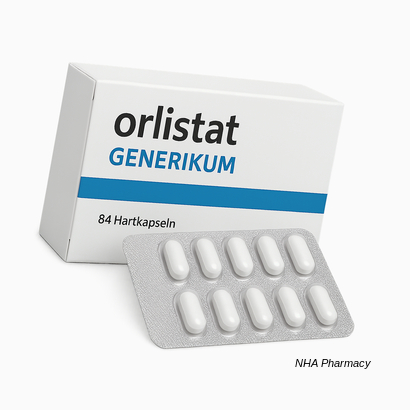
| Generic A | 60 mg | Capsules, pack of 84 | £38.99 | Information only | Order online, pharmacy consultation included |
| Alli® | 60 mg | Capsules, pack of 42 | £29.99 | Information only | Branded, pharmacist-supplied |
Strengths, formulations and pack types
What strengths of orlistat exist?
There are two primary strengths: 60 mg for non-prescription use and 120 mg for prescription-only use. The 60 mg dose is intended for short-term, supervised self-management and often packaged in smaller quantities. The 120 mg strength is for clinical use under GP supervision, authorised for extended treatment durations and supplied in larger packs according to prescription guidelines.
What formulations are available?
Orlistat is supplied exclusively as gastro-resistant capsules to ensure the active ingredient reaches the small intestine intact. The capsule shell dissolves in the proximal gut, allowing orlistat to interact with dietary triglycerides. Capsule sizes, colours and packaging vary between manufacturers, but active content and bioavailability standards are consistent for equivalent products.
Why does pack size matter?
Pack size determines treatment duration and legal classification. A maximum pack size for non-prescription supply often limits usage to 12 weeks, after which patients should seek medical review. Prescription packs can cover longer treatment courses. Pharmacists verify that purchase quantities align with recommended maximum durations for safe self-care.
| Feature | Why it matters |
| Active ingredient | Confirms the substance providing the therapeutic effect |
| Strength | Determines dosage and regulations |
| Formulation | Ensures targeted release in the gut |
| Pack size | Linked to legal supply category |
| Legal category | Dictates prescription requirements |
Generic and branded capsules share the same active content but may differ in colour, excipients and packaging. Always refer to the patient information leaflet for specific details on each product.
Weight loss, obesity and lifestyle
What is orlistat used for?
Orlistat is indicated for overweight (BMI ≥25 kg/m²) and obese (BMI ≥30 kg/m²) adults as part of a comprehensive weight loss program. Its primary role is to support calorie restriction by reducing fat absorption. Best results occur when orlistat is combined with a nutritionally balanced, reduced-calorie diet containing approximately 30% of calories from fat, along with regular physical activity and behavioural support.
How much weight can you lose?
Clinical studies show an average additional weight loss of 5–10% of initial body weight over one year when orlistat is added to diet and exercise. Weight loss tends to be more pronounced in the first six months. Maintenance dosing can help sustain weight loss and prevent regain. Individual results vary based on adherence to dietary guidelines, physical activity levels and baseline BMI.
Why combine orlistat with lifestyle changes?
Orlistat addresses dietary fat absorption but does not influence appetite, physical fitness or behavioural factors. A holistic approach involving nutrition education, exercise routines, stress management and sleep hygiene optimises outcomes. Pharmacist-led lifestyle counselling at NHA Pharmacy ensures that orlistat use is complemented by sustainable habits for long-term weight management success.
UK legal classification: GSL, P and POM
What is a POM?
A Prescription Only Medicine requires a legal prescription from a qualified prescriber. Orlistat 120 mg is POM and must be prescribed by a GP or specialist for eligible patients meeting clinical criteria. Prescription status allows tailored dosing, long-term monitoring and integration into medical weight management pathways.
What is a Pharmacy medicine?
A Pharmacy medicine can be supplied without a prescription but only through a registered pharmacy by a pharmacist. Orlistat 60 mg is classified as Pharmacy medicine (P) due to its potential gastrointestinal side effects, need for dietary adjustments and vitamin supplementation. Pharmacist oversight ensures appropriate selection and safe use.
What is a GSL medicine?
A General Sales List medicine can be sold in various retail outlets without pharmacy supervision, subject to packaging and dosage limits. Orlistat is not on the GSL; it requires a pharmacy setting for sale. This restriction helps ensure professional counselling on safe use and side effect management.
Why classifications vary?
The same active ingredient can have multiple legal categories based on strength, indication, pack size and treatment duration. The MHRA evaluates safety profiles, potential misuse and the necessity of professional oversight when assigning classifications. This system balances access with safety considerations.
Alternatives for weight loss
What other treatment categories exist?
- Dietary modifications and commercial weight-loss programs;
- GLP-1 receptor agonists (e.g., liraglutide, semaglutide) – prescription only;
- SGLT2 inhibitors, under specialist supervision for weight management in diabetes;
- Behavioural therapy and psychological support;
- Bariatric surgery for eligible patients with severe obesity and comorbidities.
Why choose orlistat?
Orlistat is one of the few oral, non-hormonal weight loss medicines available as an OTC Pharmacy medicine. It offers a non-invasive option with a well-characterised safety profile. The choice between orlistat and alternative treatments depends on BMI, comorbid conditions, previous responses, patient preference and cost considerations.
Orlistat compared with other weight loss medicines
How does orlistat compare with GLP-1 analogues?
GLP-1 analogues (e.g., semaglutide) work centrally to reduce appetite and enhance satiety, leading to weight loss averaging 10–15% of body weight. They are injectable and prescription-only, often associated with gastrointestinal side effects such as nausea. Orlistat’s mechanism is peripheral, targeting fat absorption, and is taken orally. Weight loss with orlistat tends to be more modest (5–10%) but can be achieved without injections and at lower cost.
How does orlistat compare with low-calorie diets?
Low-calorie and very low-calorie diets can produce rapid weight loss but may lead to muscle wasting, nutritional deficiencies and weight regain. Orlistat moderates fat absorption without extreme calorie restriction, supporting a more balanced dietary approach. Combined with moderate calorie reduction, orlistat can enhance weight loss while preserving lean body mass.
| Feature | Orlistat | Semaglutide | Low-calorie diet |
| Route | Oral | Injectable | Dietary plan |
| Mechanism | Lipase inhibition | Appetite suppression | Caloric deficit |
| Average weight loss | 5–10% | 10–15% | Varies, often ≥10% |
| Side effects | GI issues | Nausea, vomiting | Nutrient deficiencies |
Is one option always best?
No. Each treatment has unique benefits and limitations. Patient characteristics, comorbid conditions, tolerability, cost and mode of administration inform the optimal choice. Pharmacist and GP input can guide personalized decisions for sustainable weight loss.
Food, alcohol and lifestyle considerations
Can diet influence effectiveness?
Yes. Maximum efficacy of orlistat is achieved with a nutritionally balanced diet containing around 25–30% of calories from fat. Excessive fat intake can lead to unpleasant gastrointestinal side effects such as oily spotting or urgency. Distributing fat intake evenly over three main meals prevents high-fat peaks and reduces side effect severity.
Can alcohol affect weight loss?
Alcohol contributes empty calories and may reduce inhibitions around overeating. It can also exacerbate orlistat-related gastrointestinal effects. Patients are advised to moderate alcohol consumption, choose lower-calorie beverages and coordinate orlistat dosing with alcohol-containing meals for better tolerance.
Does exercise matter?
Physical activity amplifies weight loss and preserves lean muscle mass. Combining orlistat with at least 150 minutes of moderate-intensity exercise per week supports calorie deficit and improves cardiovascular health. Lifestyle counselling at NHA Pharmacy includes tailored exercise recommendations and goal setting.
Side effects and tolerability
What are common side effects?
Orlistat’s mechanism causes fat to remain in the bowel, leading to gastrointestinal side effects that are dose-dependent and often related to dietary fat content. Commonly reported effects include oily spotting, flatulence with discharge, faecal urgency, fatty or oily stool, and increased defecation. These symptoms are usually mild to moderate and tend to decrease over time with dietary adjustments.
How to manage side effects?
Minimising dietary fat intake and spreading fat evenly across meals reduces GI adverse events. Adhering to a low-fat diet (<30% of total calories) is key. Over-the-counter remedies like fibre supplements can help regulate bowel habits. Patients should report persistent or severe symptoms to a pharmacist, who may review dosing, diet and provide additional support.
Are there non-GI side effects?
Less common effects include headache, back pain and upper respiratory tract infections. Vitamin deficiencies may occur during long-term use; prophylactic multivitamin supplementation is recommended. Serious adverse reactions are rare but warrant immediate medical attention if they arise.
Long-term use and excessive exposure
Why is supervised review important?
Orlistat OTC supply is intended for short-term weight management programs (up to 12 weeks) under pharmacist supervision. Continued use beyond this period without medical review may increase the risk of nutritional deficiencies, particularly of fat-soluble vitamins, carotenoids and essential fatty acids. Periodic assessment ensures that weight loss goals are met, dietary adherence is maintained and no new health issues arise.
What risks are associated with excessive exposure?
Prolonged fat malabsorption can lead to deficiencies in vitamins A, D, E, K and essential fatty acids, with potential consequences such as bone demineralisation, coagulation disorders, vision changes and dermatological issues. Unsupervised high-dose orlistat use can also interact with concomitant medications, alter absorption of certain drugs and compromise overall nutritional status.
How often should reviews occur?
At minimum, a pharmacist review every 12 weeks is recommended for OTC users. Prescription users on 120 mg strength typically have quarterly or biannual GP reviews to reassess weight, monitor metabolic parameters, evaluate side effects and adjust treatment as needed.
Warnings, contraindications and interactions
Who should be cautious with orlistat?
- Individuals with chronic malabsorption syndromes (e.g., cholestasis);
- People with cholestatic liver disease;
- Those with hypersensitivity to orlistat or capsule components;
- Patients taking cyclosporine (requires dose spacing);
- Individuals on warfarin or other fat-soluble vitamin–dependent therapies;
- Women who are pregnant or breastfeeding without medical advice;
- Patients with diabetes mellitus should monitor glycaemic control closely when initiating weight loss therapy.
Can orlistat interact with other medications?
Yes. Orlistat can reduce absorption of lipophilic drugs such as ciclosporin, amiodarone and levothyroxine. It may also impair uptake of certain anti-epileptic agents and oral contraceptives if fat intake is low. Patients should inform their pharmacist or GP of all concomitant therapies to allow for dose adjustments and appropriate timing of administration.
Why are vitamin interactions important?
Reduced fat absorption reduces bioavailability of fat-soluble vitamins. To mitigate deficiency risks, patients should take a daily multivitamin supplement two hours before orlistat or at bedtime. Regular monitoring of vitamin levels may be required for long-term users or those with pre-existing deficiencies.
Additional information about orlistat
What does “generic orlistat” mean?
Generic orlistat contains the same active ingredient and strength as the reference branded product and must comply with regulatory standards for quality, safety and efficacy. Inactive ingredients, capsule appearance and packaging may differ, but therapeutic effects are equivalent. Generic options usually offer lower price points, increasing affordability for patients.
Why can leaflets differ between products?
Different manufacturers may authorise slight variations in excipients, pack sizes, dosage instructions and legal classifications. Each product has its own Summary of Product Characteristics and patient information leaflet reflecting the approved marketing authorisation. Always read the leaflet for the specific product you receive.
How is gastro-resistance achieved?
Orlistat capsules are designed to resist degradation in the stomach acid environment and release the active drug in the small intestine where lipases are active. This targeted release enhances efficacy and minimises gastric irritation.
Where to verify UK medicine information?
Reliable UK sources include the MHRA website, the electronic Medicines Compendium (eMC), official patient information leaflets and qualified healthcare professionals. For personalised advice, speak directly to the pharmacy team at NHA Pharmacy or your GP.
This information is provided by NHA Pharmacy (Unit 23, Newton House, Northampton Science Park, Kings Park Road, Moulton Park Industrial Estate, Northampton NN3 6LG). It does not replace professional medical advice. For guidance tailored to your situation, consult a pharmacist or physician.