
Buy furosemide without prescription cheap
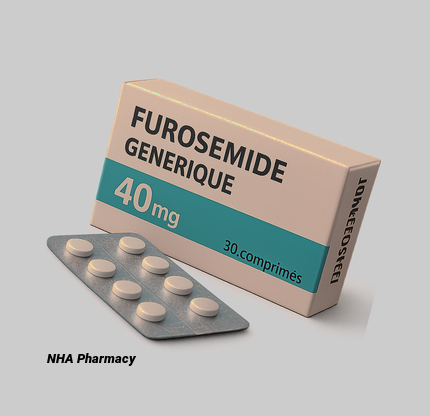
- Is furosemide available without prescription in the UK?
- What does Pharmacy medicine mean in the UK?
- General information about furosemide
- How furosemide works
- Price and availability information
- Strengths, formulations and pack types
- Clinical uses of furosemide
- UK legal classification: GSL, P and POM
- Alternatives for fluid management
- Furosemide compared with other diuretics
- Food, alcohol and lifestyle considerations
- Side effects and tolerability
- Long-term use and excessive exposure
- Warnings, contraindications and interactions
- Additional information about furosemide
Is furosemide available without prescription in the UK?
Furosemide is a powerful loop diuretic primarily used to treat fluid retention (edema) and high blood pressure in adults. In the United Kingdom, furosemide is classified as a Prescription Only Medicine (POM) due to its potent effects on kidney function, electrolyte balance and cardiovascular dynamics. It is not legally available as an over-the-counter (OTC) product without a prescription. Any online pharmacy or retailer claiming that you can purchase or buy furosemide without a prescription is operating outside the MHRA regulations and may put your health at risk. Always ensure you obtain a valid prescription from a qualified healthcare professional before ordering furosemide online or in person.
While some international vendors advertise “no prescription needed,” UK law prohibits the supply of furosemide without a legitimate prescription issued by a UK-registered prescriber. Attempting to purchase without a prescription may lead to delivery delays, customs seizure or potential legal issues, and the quality and authenticity of the product cannot be guaranteed.
What does Pharmacy medicine mean in the UK?
The United Kingdom categorises human medicines into three main legal supply classifications:
- Prescription Only Medicine (POM): Requires a valid prescription for supply.
- Pharmacy medicine (P): May be supplied without a prescription but only under pharmacist supervision.
- General Sales List medicine (GSL): Can be sold in general retail outlets when legal conditions are met.
Furosemide remains firmly within the POM category because of its clinical potency and the potential for serious adverse events if used incorrectly. Unlike pharmacy (P) medicines such as some mild laxatives or topical creams, furosemide cannot be legally stocked or dispensed from a pharmacy without first receiving a doctor’s prescription. The oversight ensures correct dosing, monitoring of electrolytes and renal function, and professional management of potential side effects.
General information about furosemide
What is furosemide?
Furosemide is a loop diuretic that promotes fluid removal by inhibiting sodium and chloride reabsorption in the ascending limb of the loop of Henle in the kidney nephrons. This mechanism increases urine output and reduces fluid overload in conditions such as heart failure, liver cirrhosis, renal impairment and hypertension.
Chemical and pharmacologic classification
As a member of the sulfonamide class, furosemide is sometimes referred to by its chemical structure descriptor, 4-chloro-N-furfuryl-5-sulfamoylanthranilic acid. Brand names include Lasix® and Frumil®. Generic furosemide products contain the same active ingredient but may differ in excipients, tablet design and packaging.
Why is furosemide potent?
The loop of Henle is a critical segment for sodium reabsorption and fluid balance. By blocking the sodium-potassium-chloride (Na⁺/K⁺/2Cl⁻) cotransporter, furosemide produces substantial diuresis, making it one of the most powerful diuretics available. Because of this potency, small dosing mistakes can lead to dehydration, hypotension, electrolyte disturbance or kidney injury.
Is furosemide an antihypertensive?
While furosemide’s primary indication relates to fluid removal in edematous states, its diuretic effect can also lower blood pressure by reducing intravascular volume. However, thiazide diuretics are more commonly used for first-line antihypertensive therapy, and furosemide is typically reserved for patients with concurrent fluid retention or those with significantly impaired renal function.
Generic versus branded products
Generic furosemide products are clinically equivalent to brand-name formulations when approved by the MHRA. They undergo rigorous quality, safety and efficacy assessments. Price differences often reflect manufacturer, pack size, distribution and retailer margins rather than differences in effectiveness.
How furosemide works
Mechanism of action in the kidney
Furosemide binds specifically to the Na⁺/K⁺/2Cl⁻ cotransporter in the thick ascending limb of the loop of Henle. This action prevents reabsorption of approximately 20-30% of filtered sodium, driving osmotic diuresis and increasing urinary output of water, sodium, potassium, chloride and calcium. The resulting volume reduction alleviates edema and can reduce preload in heart failure.
Pharmacokinetics and onset of action
After oral administration, furosemide is absorbed from the gastrointestinal tract with variable bioavailability (approximately 50%). It reaches peak plasma concentrations within one to two hours, and diuresis typically begins within 30 to 60 minutes, lasting up to six hours. Intravenous dosing is used in acute settings to achieve rapid and predictable diuretic response.
Effect on electrolytes and acid–base balance
By increasing the urinary excretion of sodium and potassium, furosemide can cause hyponatraemia, hypokalaemia and, in some cases, metabolic alkalosis. Monitoring serum electrolytes and renal function is essential, particularly during initiation or dose adjustments.
Differences from other diuretic classes
Unlike thiazide diuretics that act at the distal convoluted tubule or potassium-sparing diuretics that act at the collecting ducts, furosemide’s action in the loop of Henle yields a more potent diuretic effect. This makes loop diuretics preferable for rapid mobilization of large fluid volumes.
Price and availability information
How much does furosemide cost in the UK?
As a POM, furosemide cost is determined by Prescription Charge or NHS exemption status in the UK. Private purchase prices for a 40 mg tablet can range from £1.50 to £15.00 per pack, depending on generic versus branded, pack size, and retailer. NHS prescriptions in England carry a flat charge (currently £9.65 per item), whereas in Scotland, Wales and Northern Ireland prescriptions are free for residents.
Why do online prices vary?
Variations depend on:
- Manufacturer and brand: branded Lasix® typically costs more than generic furosemide.
- Pack size and strength: larger packs or higher strengths may reduce unit price.
- Retailer margin and special promotions.
- Shipping and handling fees for online orders.
Always verify authenticity and MHRA authorization when choosing a cheaper online option.
| Example | Strength | Formulation | Price | Status | Note |
|---|---|---|---|---|---|
| Generic Furosemide A | 40 mg | Tablets, pack of 28 | £1.50 | Prescription only | Subject to NHS or private prescription |
| Lasix® | 40 mg | Tablets, pack of 28 | £7.20 | Prescription only | Branded product |
Strengths, formulations and pack types
Available strengths
Furosemide is most commonly available in 20 mg and 40 mg oral tablets. Higher strengths (e.g., 500 mg/5 mL) exist for oral solution and injection, primarily for hospital use.
Formulations
Oral formulations include:
- Tablets (gastro-resistant coating not required).
- Oral solution (syrup) for patients with swallowing difficulties.
- Powder for oral suspension (reconstituted by pharmacist).
Parenteral formulations:
- Intravenous injection or infusion for acute settings.
- Intramuscular injection (less commonly used).
Pack sizes and implications
Pack sizes vary from single-dose vials to packs of 28 or 56 tablets. Pack size can influence price, convenience and treatment duration. Exact product identification by pack type is essential for prescribing, dispensing, and legal supply classification.
Generic versus brand appearance
Generic tablets may differ in color, shape or imprint compared to branded Lasix®, but they contain the same active furosemide. Patients should be advised of possible appearance changes to avoid confusion.
Clinical uses of furosemide
Edema associated with heart failure
Furosemide is a first-line therapy for reducing pulmonary and peripheral edema in congestive heart failure. It decreases preload, improves exercise tolerance and relieves dyspnoea by removing excess fluid from the vascular compartment.
Renal and hepatic edema
Patients with nephrotic syndrome or cirrhosis often accumulate fluid in the abdomen (ascites) and legs. Furosemide, sometimes combined with spironolactone or other diuretics, facilitates diuretic synergy to mobilize fluid in these conditions.
Hypertension management
Although not first-line for uncomplicated hypertension, furosemide can be valuable in patients with severe hypertension or concurrent fluid retention. In chronic kidney disease with reduced glomerular filtration rate, loop diuretics outperform thiazides.
Off-label and emergency uses
In emergencies such as acute pulmonary edema, intravenous furosemide provides rapid diuresis. Off-label uses include treatment of hypercalcaemia and enhancement of renal elimination of toxins in overdose scenarios.
UK legal classification: GSL, P and POM
Prescription Only Medicine (POM)
Furosemide is strictly classified as POM. It requires a prescription written by a UK-registered medical practitioner, dentist or specialist prescriber. This ensures appropriate patient selection, monitoring of renal function, electrolytes and blood pressure, and management of potential side effects.
Why not P or GSL?
Due to its significant pharmacodynamic effects and potential for serious adverse events, furosemide cannot be supplied under pharmacy-only (P) regulations or as a general sales list (GSL) medicine. The level of professional oversight needed for loop diuretic therapy demands prescription status.
MHRA oversight
The Medicines and Healthcare products Regulatory Agency (MHRA) regulates furosemide classification, labelling and authorised indications. Any change in supply status would require robust evidence of safety for unsupervised use.
Alternatives for fluid management
Thiazide diuretics
Hydrochlorothiazide, chlorthalidone and indapamide act on the distal convoluted tubule. They are weaker than loop diuretics but suitable for mild edema and first-line hypertension management.
Potassium-sparing diuretics
Spironolactone, eplerenone and amiloride help conserve potassium and are often combined with loop or thiazide diuretics to balance electrolyte effects.
Other loop diuretics
Bumetanide and torasemide offer similar mechanisms with different pharmacokinetic profiles. Choice may depend on patient response, bioavailability and duration of action.
Lifestyle and non-pharmacological measures
Dietary sodium restriction, leg elevation, compression stockings and fluid balance monitoring can complement or reduce the need for diuretic therapy.
Furosemide compared with other diuretics
| Feature | Furosemide | Thiazides | Potassium-sparing |
|---|---|---|---|
| Site of action | Loop of Henle | Distal convoluted tubule | Collecting duct |
| Potency | High | Moderate | Low |
| Onset (oral) | 30–60 min | 1–2 hours | 2–4 hours |
| Duration | 4–6 hours | 12–24 hours | 6–12 hours |
| Electrolyte effects | ↑Na, Cl, K excretion | ↑Na, Cl excretion | Conserves K |
Is one class always better?
No. Choice depends on the clinical scenario, renal function, electrolyte profile, comorbidities and patient preferences. Loop diuretics excel in fluid overload; thiazides are favoured for chronic hypertension; potassium-sparing diuretics manage hypokalaemia risks.
Food, alcohol and lifestyle considerations
Dietary sodium
High dietary salt can counteract diuretic efficacy. Patients on furosemide should follow a low-sodium diet to optimise fluid balance and blood pressure control.
Potassium intake
Because furosemide can cause hypokalaemia, dietary potassium from bananas, potatoes and green leafy vegetables may help maintain levels, though supplementation is sometimes required.
Alcohol
Excessive alcohol can exacerbate dehydration and electrolyte imbalance. Moderate intake and adequate fluid replacement are advised when on diuretic therapy.
Hydration and fluid balance
Patients should monitor weight daily, record fluid intake/output and follow healthcare guidance on fluid restrictions or allowances in edematous states.
Physical activity
Excessive sweating during exercise may worsen diuretic-induced dehydration. Adjustments to dose timing, fluid intake, or activity level may be necessary under medical advice.
Side effects and tolerability
| Area | Examples described in product information |
| Fluid balance | Dehydration, excessive diuresis, orthostatic hypotension |
| Electrolytes | Hypokalaemia, hyponatraemia, hypochloraemia |
| Metabolic | Hyperuricaemia (gout), hyperglycaemia |
| Renal | Azotemia, renal impairment in volume-depleted patients |
| Ototoxicity | Tinnitus or hearing loss at high IV doses |
| Allergic | Rash, photosensitivity, sulfonamide reactions |
Frequency and monitoring
Common side effects such as increased urination and lightheadedness are often dose-related. Less frequent but serious events like electrolyte disturbances require periodic blood tests. Health professionals adjust doses or prescribe supplements to maintain safety.
Long-term use and excessive exposure
Chronic therapy concerns
Prolonged furosemide use can lead to persistent electrolyte imbalances, renal dysfunction and bone demineralisation. Regular review by a clinician is essential to assess continued need, dose optimization, and monitoring frequency.
Overdose risks
Acute overdose can cause severe dehydration, hypotension, electrolyte storms, acute kidney injury and ototoxicity. Immediate medical attention is required. In suspected overdose, intravenous fluids and electrolyte correction are mainstays of management.
Tolerance and rebound fluid retention
Some patients develop diuretic braking, where efficacy diminishes over time. Combination therapy or intermittent dosing strategies may overcome this tolerance under specialist supervision.
Warnings, contraindications and interactions
Contraindications
- Severe hypovolaemia or dehydration
- Anuria (lack of urine output)
- Sulfonamide hypersensitivity
- Severe electrolyte depletion without correction
- Symptomatic hypotension
Drug interactions
Furosemide can interact with:
- NSAIDs: may reduce diuretic effect.
- ACE inhibitors/ARBs: increased risk of hypotension and renal impairment.
- Digoxin: hypokalaemia increases digoxin toxicity risk.
- Lithium: altered renal clearance, risk of lithium toxicity.
- Ototoxic drugs (e.g., aminoglycosides): additive hearing risk.
Pregnancy and breastfeeding
Use in pregnancy only if benefits outweigh risks; potential for maternal hypovolaemia and fetal growth effects. Furosemide passes into breast milk; monitoring of infant hydration and weight is recommended if used during lactation.
Additional information about furosemide
What does “generic furosemide” mean?
A generic medicine contains the same active furosemide ingredient as the brand reference product and must meet stringent regulatory standards. Inactive ingredients and tablet appearance may differ.
Why can leaflets differ between products?
Different manufacturers may have varying excipients, pack sizes or patient information styles. Always read the leaflet supplied with your specific product for accurate dosing and safety details.
Storage recommendations
Keep tablets at room temperature (below 25 °C) in a dry place, protected from light. Oral solution should be stored according to label instructions, often below 25 °C after reconstitution and used within specified days.
Where to verify UK medicine information
Consult the MHRA website, the electronic Medicines Compendium (eMC) or your pharmacist for official summaries of product characteristics (SmPC) and approved indications, dosage, contraindications and interactions.
Does this information replace medical advice?
No. This page is intended as general information published by NHA Pharmacy (Unit 23, Newton House, Northampton Science Park, Kings Park Road, Moulton Park Industrial Estate, Northampton NN3 6LG). For personalised advice on furosemide or fluid management, speak to a qualified healthcare professional or your GP.